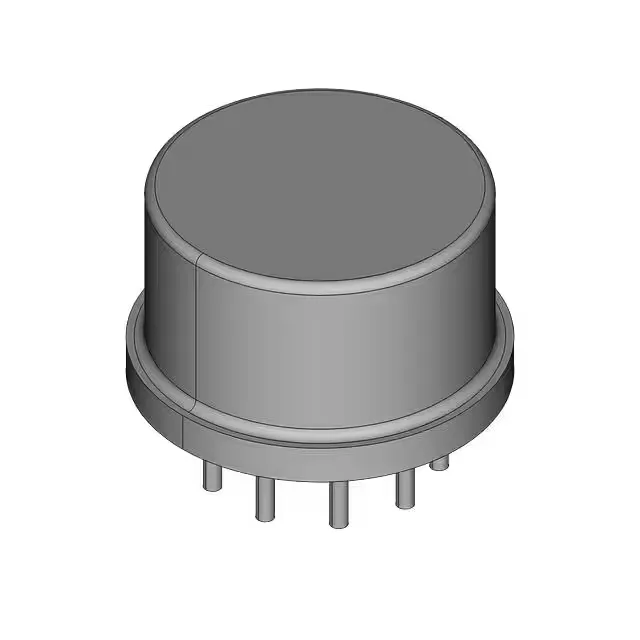
100 V N-channel FET for the automotive load path
It is built for automotive environments, with a junction temperature range from -55°C to 175°C. The 175°C TJ ceiling is the key differentiator here — it gives the thermal budget to run this FET in an under-hood ECU or a transmission controller where ambient temps push past 125°C and a standard 150°C part would be at its derating limit.
At 8.9 A drain current, the 62 mOhm on-resistance produces about 4.9 W of conduction loss (I²R), which is above the 2.4 W power dissipation figure listed — so this part needs a heatsink or a good copper pour on the PCB to keep the junction below 175°C in continuous operation. For pulsed or intermittent loads, the thermal mass of the package handles it. Gate threshold voltage is 5 V maximum at 25 µA drain current — that is a high threshold. It keeps the FET off during power-up sequencing and resists noise on the gate line, but it also means the gate driver must swing to at least 10 V to fully enhance the channel and hit the rated Rds(on).
Active production, automotive-grade
The part is described as an automotive DirectFET N-channel device, which means it is qualified for the automotive temperature range and reliability requirements.