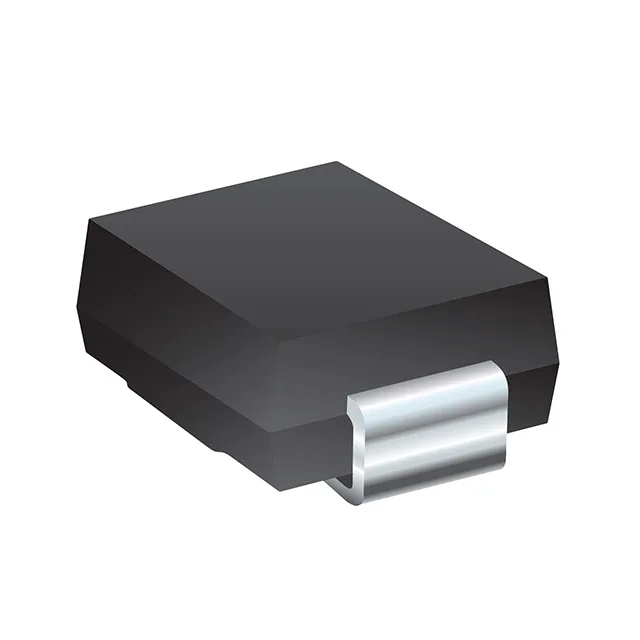
Eaton - Electronics Division 5-0SMDJ36CA — Circuit Protection

Eaton 5-0SMDJ36CA 5kW TVS Diode, 36V Standoff, DO-214AB

MPN5-0SMDJ36CA
Active

Eaton 5-0SMDJ36CA, Zener bidirectional TVS diode, 36V reverse standoff, 40V min breakdown, 58.1V clamping @ 86.1A, 5kW peak pulse, DO-214AB SMC, surface mount, -55°C~150°C junction, tape & reel.

$1.6000Ref. price · indicative, final on quote
Sourced new & surplus through independent channelsAuthenticity-screened · ESD-safe packingListing updated Aug 2026

Specifications

5-0SMDJ36CA specifications
ParameterValue
TypeZener
Series5-0SMDJ
MountingSurface Mount
Voltage - breakdown40V
Voltage - clamping (Max) @ ipp58.1V
Voltage - reverse standoff36V
Current - peak pulse (10/1000μs)86.1A
Power - peak pulse5000W (5kW)
Power line protectionNo
Operating temperature-55°C~150°C(TJ)
PackageTape & Reel (TR); Cut Tape (CT)
ApplicationsTelecom
CaseDO-214AB, SMC
Bidirectional channels1

Product details

What 58.1 V clamping means for a 36 V telecom rail

The 5-0SMDJ36CA is a bidirectional 5 kW TVS diode in the DO-214AB (SMC) package — the workhorse clamp for telecom power rails that need surge headroom without a unidirectional polarity constraint. For a 48 V telecom bus this part is outside its rating — for a 24 V or 30 V rail it provides meaningful let-through voltage margin against the IEC 61000-4-5 surge test level.

150 °C junction ceiling and the telecom deployment envelope

The surface-mount form factor suits automated assembly on the power entry module where these suppressors typically land.

Single-channel bidirectional — when the topology fits

One bidirectional channel means the 5-0SMDJ36CA replaces two series-connected unidirectional parts on a symmetrically-biased rail, saving board area and one component placement. Telecom line cards that run phantom power or have AC-coupled signal paths benefit from the bidirectional clamp because the offset swings go both positive and negative — a unidirectional TVS would clamp only one polarity and leave the reverse half-cycle unprotected. If the design is a strictly positive DC rail with no reversal risk, the equivalent unidirectional series in the same 5-0SMDJ family at 36 V standoff is the more cost-effective choice.

Frequently asked questions

What voltage does the 5-0SMDJ36CA actually clamp at during a surge?

That is the clamping voltage the downstream circuitry must withstand during the transient — not the 36 V standoff or the 40 V breakdown threshold, which are the quiescent and turn-on levels respectively.

What telecom equipment typically uses a 36 V standoff TVS?

The 36 V standoff sits between the common 24 V and 48 V telecom bus voltages, making it a fit for -48 V distribution rails in equipment that uses a 36 V intermediate bus, or for DC power feeds on customer-premises equipment where the nominal rail sits in the 30–36 V band. Confirm the system transient voltage test level against the 58.1 V clamping spec before committing the BOM line.