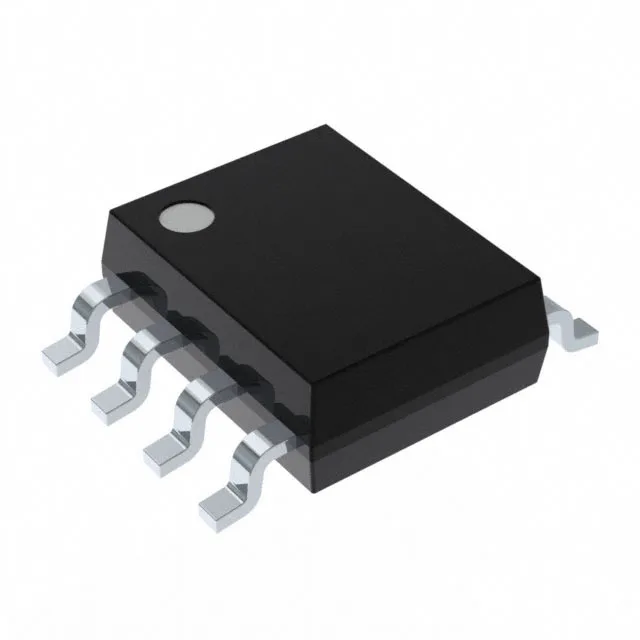
Analog Devices MAX887HESA+ — Signal Isolation

MAX887HESA+ Buck Converter, 600mA Adjustable, 8-SOIC

MPNMAX887HESA+
End of Life

Analog Devices MAX887HESA+ step-down buck converter, adjustable output, 600 mA, 3.5 V to 11 V input, 250 kHz to 350 kHz switching, 8-SOIC surface-mount package, tube.

$7.11Ref. price · indicative, final on quote
Packaging8-SOIC (0.154", 3.90mm Width)
RoHSROHS3 Compliant
Sourced new & surplus through independent channelsAuthenticity-screened · ESD-safe packingListing updated Aug 2026

Specifications

MAX887HESA+ specifications
ParameterValue
Output typeAdjustable
MountingSurface Mount
Voltage - input3.5V
Voltage - output10.5V
Voltage - output (Min (Fixed))1.25V
Output current600mA
Frequency250kHz ~ 350kHz
I/O channels1
Operating temperature-40°C ~ 85°C (TA)
PackageTube
FunctionStep-Down
TopologyBuck
Case8-SOIC (0.154\", 3.90mm Width)
Output configurationPositive
Synchronous rectifierYes

Product details

600 mA adjustable buck in a rework-friendly SOIC

The MAX887HESA+ is a 600 mA adjustable step-down (buck) switching regulator from Analog Devices, operating from a 3.5 V to 11 V input range and switching at 250 kHz to 350 kHz. Its output is adjustable from a 1.25 V minimum up to 10.5 V maximum, and it includes a synchronous rectifier, which improves efficiency by replacing the freewheeling diode with a low-Rds(on) FET.

What the switching frequency and output range mean for your rail

The 250 kHz to 350 kHz switching frequency sets the inductor and capacitor values: lower frequencies use larger magnetics but less switching loss; higher frequencies shrink the filter components but increase core and gate-drive losses. With an adjustable output from 1.25 V to 10.5 V, this single regulator can serve multiple rail voltages in a design — just change the feedback resistor divider — without a board spin.

Frequently asked questions

Can the MAX887HESA+ output 3.3 V?

Yes. The output is adjustable from a minimum of 1.25 V up to 10.5 V, so setting the feedback resistors for 3.3 V is within its range. No fixed-voltage variant is needed.