The MAX882EPA is a single-output positive LDO linear regulator from Analog Devices, offering an adjustable output voltage with a fixed 3.3 V option. It delivers up to 200 mA of output current with a maximum dropout voltage of 0.64 V at full load, making it suitable for low-dropout battery-powered applications where headroom is tight. Quiescent current is 25 µA typical, and the maximum supply current is just 15 µA — the regulator's own draw stays well below the self-discharge rate of a coin cell, so a sensor node that sleeps for months sees minimal battery drain from the regulator itself.
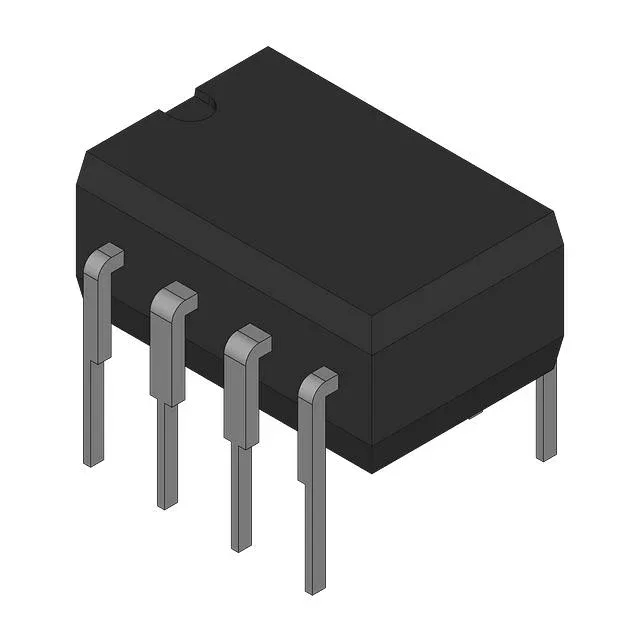
Housed in an 8-pin PDIP (0.300" width, 7.62 mm pitch) through-hole package, the MAX882EPA mounts directly into a standard DIP socket or solders into plated through-holes on a PCB. The through-hole form factor simplifies prototyping and hand-assembly, and the 8-PDIP footprint is widely compatible with breadboards and perfboards for low-volume builds.
Protection and control features
Built-in protection includes over-current, over-temperature, and reverse-current safeguards — the regulator shuts down before the junction exceeds the safe limit, and the reverse-current block prevents a charged output capacitor from back-driving the input during a fault or power-down sequence. Control features include an Enable pin for on/off control and a Low-Battery Detection output that flags when the input voltage drops below a programmed threshold — useful for battery-powered systems that need to signal a low-charge state before the regulator drops out.