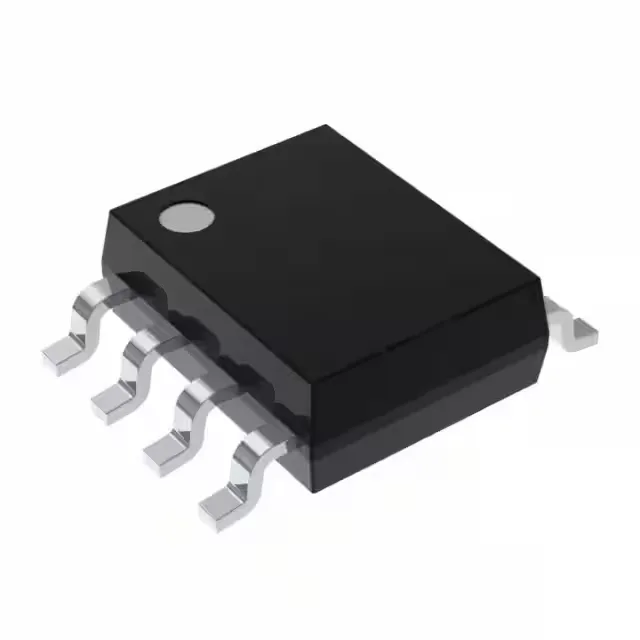
Analog Devices MAX6195AESA+ — Analog & Data Acquisition

MAX6195AESA+ Voltage Reference, 5V ±0.04%, 5ppm/°C, 8-SOIC

MPNMAX6195AESA+
End of Life

Maxim Integrated MAX6195AESA+, Series Voltage Reference, Fixed 5V Output, ±0.04% Tolerance, 5ppm/°C, 35µA Supply Current, 8-SOIC Surface Mount, -40°C to +85°C.

$7.21Ref. price · indicative, final on quote
Packaging8-SOIC (0.154", 3.90mm Width)
RoHSROHS3 Compliant
Independent supplier — new & surplus stockAuthenticity-screened · ESD-safe packingListing updated Aug 2026

Specifications

MAX6195AESA+ specifications
ParameterValue
Output typeFixed
MountingSurface Mount
Reference typeSeries
Voltage - input5.2V ~ 12.6V
Voltage - output (Min (Fixed))5V
Output current500 µA
Current - supply35µA
Operating temperature-40°C ~ 85°C (TA)
PackageTube
Tolerance±0.04%
Case8-SOIC (0.154\", 3.90mm Width)
Noise - 0.1Hz to 10Hz120µVp-p
Noise - 10Hz to 10kHz240µVrms
Temperature coefficient5ppm/°C

Product details

Precision 5V reference for analog and mixed-signal boards

The Maxim Integrated MAX6195AESA+ is a series voltage reference that outputs a fixed 5V with an initial tolerance of ±0.04%.

Output current is limited to 500 µA. That's enough to bias the reference input of one or two ADCs and a small resistive divider, but not enough to power external op-amps or a load cell. Plan a buffer if you need to drive more than a few hundred microamps.

Frequently asked questions

What is the typical output noise of MAX6195AESA+?

Output noise is specified at 120µVp-p from 0.1Hz to 10Hz and 240µVrms from 10Hz to 10kHz. That's low enough for most 12- to 14-bit ADC reference applications without additional filtering.

What is the accuracy (initial tolerance) of MAX6195AESA+?

The initial tolerance is ±0.04%, which means the output is within 2 mV of 5V at 25°C. This is a precision-grade reference suitable for 12- to 16-bit systems where gain error matters.

Can MAX6195AESA+ supply 500 µA output current?

Yes, the MAX6195AESA+ is rated for a maximum output current of 500 µA. That's enough to bias the reference input of one or two ADCs and a small divider, but not enough to drive external loads like op-amps or sensors directly.