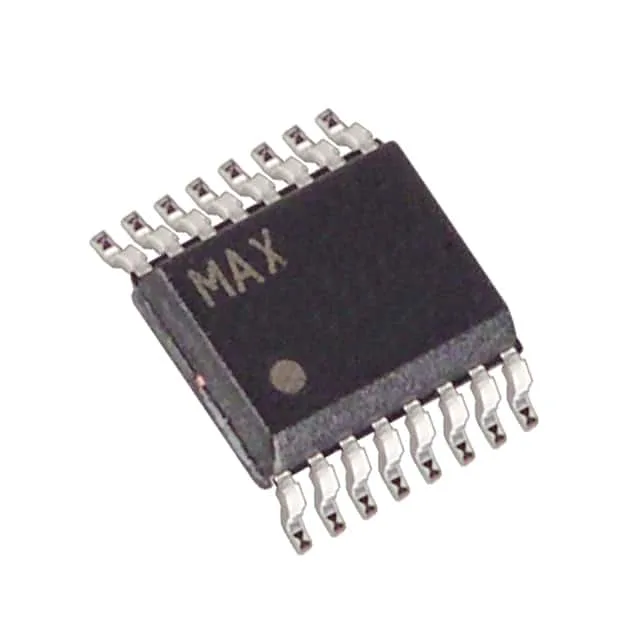
Analog Devices MAX5955BEEE+ — Logic ICs

MAX5955BEEE+ Hot Swap Controller, Monitor, 2-Channel

MPNMAX5955BEEE+
End of Life

Maxim MAX5955BEEE+, Hot Swap Controller, Monitor, VariableSpeed/BiLevel™ series, 2-channel, 1V to 13.2V supply, 1.2 mA supply current, Latched Fault, OVP, UVLO, -40°C to 85°C, 16-QSOP package, Tube.

$11.66Ref. price · indicative, final on quote
Packaging16-SSOP (0.154", 3.90mm Width)
RoHSROHS3 Compliant
SeriesVariableSpeed/BiLevel™
Sourced new & surplus through independent channelsAuthenticity-screened · ESD-safe packingListing updated Aug 2026

Specifications

MAX5955BEEE+ specifications
ParameterValue
TypeHot Swap Controller, Monitor
SeriesVariableSpeed/BiLevel™
MountingSurface Mount
Voltage1V ~ 13.2V
Current - supply1.2 mA
Operating temperature-40°C ~ 85°C
PackageTube
FeaturesLatched Fault, OVP, UVLO
ApplicationsGeneral Purpose
Case16-SSOP (0.154\", 3.90mm Width)
Internal switchNo
Channels2
Programmable featuresCircuit Breaker, Current Limit, Fault Timeout

Product details

Dual-channel architecture and protection set

Two independent channels in a single 16-QSOP package let you control two separate loads — e.g., a main board and a mezzanine card — without doubling the controller count. The part includes latched fault response, overvoltage protection (OVP), and undervoltage lockout (UVLO), plus programmable circuit breaker, current limit, and fault timeout via external components. No internal power switches are integrated, so you size the external MOSFET and sense resistor per load current.

The 16-QSOP package (0.154" body width) suits dense PCB layouts.

Frequently asked questions

Does MAX5955BEEE+ have undervoltage lockout?

Yes, the part includes UVLO as one of its features, along with OVP and latched fault protection.

What is the closest pin-compatible alternative to MAX5955BEEE+?

The MAX5955BEEE+ is part of the VariableSpeed/BiLevel™ family; pin-compatible siblings within the same series share the 16-QSOP footprint but may differ in fault timeout or current-limit programming. Check the family datasheet for specific alternate order codes.