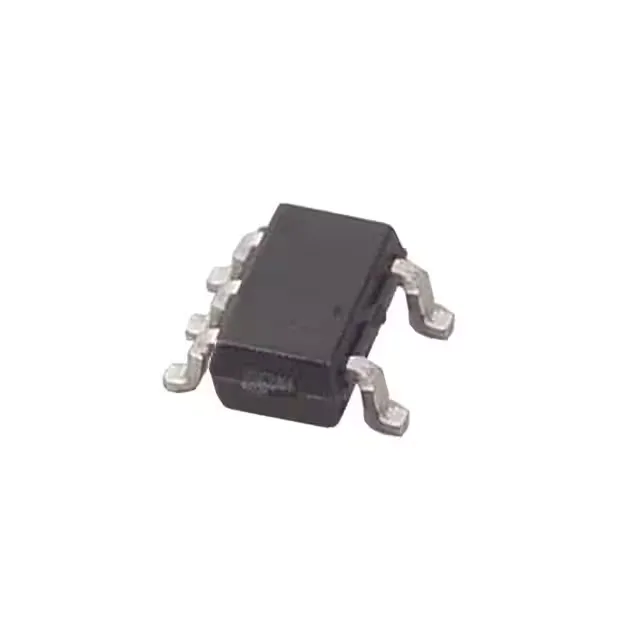
Analog Devices MAX4291EXK+T — Memory (DRAM / SRAM / Flash / EEPROM)

MAX4291EXK+T General Purpose Op-Amp, Rail-to-Rail, 500 kHz

MPNMAX4291EXK+T
End of Life

Analog Devices MAX4291EXK+T, General Purpose Amplifier, 1 Circuit, Rail-to-Rail, 500 kHz Gain Bandwidth, 0.2V/µs Slew Rate, 1.8V to 5.5V Supply, SC-70-5, -40°C to 85°C.

$2.01Ref. price · indicative, final on quote
Packaging5-TSSOP, SC-70-5, SOT-353
RoHSROHS3 Compliant
Sourced new & surplus through independent channelsAuthenticity-screened · ESD-safe packingListing updated Aug 2026

Specifications

MAX4291EXK+T specifications
ParameterValue
Output typeRail-to-Rail
MountingSurface Mount
Amplifier typeGeneral Purpose
Voltage - input offset400 µV
Voltage - supply span5.5 V
Current - supply100µA
Current - input bias15 nA
Operating temperature-40°C ~ 85°C
Gain bandwidth product500 kHz
PackageTape & Reel (TR); Cut Tape (CT)
Slew rate0.2V/µs
Case5-TSSOP, SC-70-5, SOT-353
Number of circuits1

Product details

What this single op-amp does on your board

The MAX4291EXK+T is a single general-purpose operational amplifier from Analog Devices, packing a 500 kHz gain-bandwidth product and rail-to-rail output into a 5-pin SC-70 package. It runs on a 1.8 V to 5.5 V supply span and draws only 100 µA quiescent current, making it a natural fit for battery-powered sensor conditioning, portable instrumentation, and single-supply signal chains where board space is tight.

Lifecycle and sourcing — still active, no LTB risk

There is no NRND or last-time-buy notice on record.

Frequently asked questions

What is MAX4291EXK+T?

The MAX4291EXK+T is a single general-purpose operational amplifier from Analog Devices with rail-to-rail output, 500 kHz gain-bandwidth product, and 100 µA supply current, in a 5-pin SC-70-5 package.

Is MAX4291EXK+T rail-to-rail?

Yes, the output type is rail-to-rail, allowing the output to swing close to both supply rails.

What is the pinout of MAX4291EXK+T?

The MAX4291EXK+T uses a standard 5-pin SC-70-5 pinout with pin 1 identified by a dot or chamfer. The pin functions follow the typical single op-amp arrangement: output, inverting input, non-inverting input, V-, and V+.