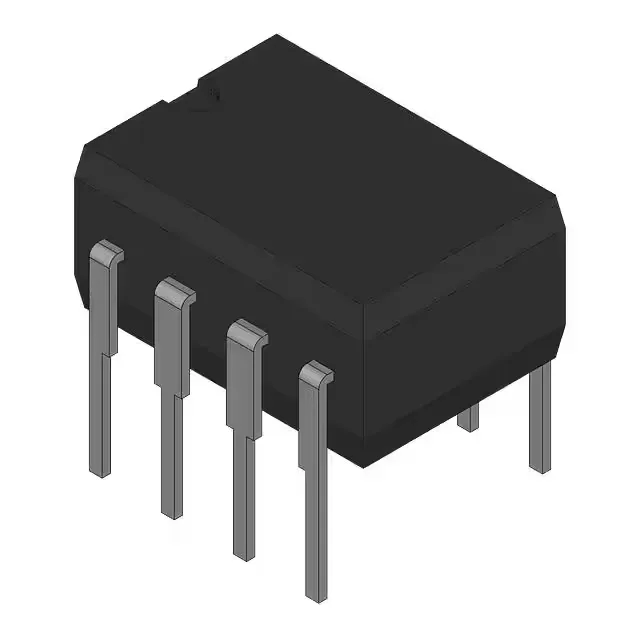
Analog Devices MAX3486CPA — Sensors & Transducers

MAX3486CPA RS-485/RS-422 Transceiver – Analog Devices –

MPNMAX3486CPA
End of Life

Analog Devices MAX3486CPA, RS-485/RS-422 transceiver, Bulk package, active production, RoHS non-compliant.

$2.11Ref. price · indicative, final on quote
StockContact for availability
MOQ1 pcs
  • 100% new & originalTraceable channels only — no refurbs, no pulls, no remarked parts.
  • Date & lot codes on quoteStated per line before you commit; label photos on request.
  • MSL-compliant ESD packingMoisture-sealed bags with indicator cards; reels photo-verified.
  • PayPal buyer protectionPay by T/T, PayPal or Payoneer — card payments covered end to end.

Specifications

MAX3486CPA Technical Specifications
ParameterValue
Series*
PackageBulk

Product details

Serial-link transceiver for industrial bus networks

The MAX3486CPA is an RS-485/RS-422 transceiver from Analog Devices, designed for balanced differential signalling on multi-drop serial buses up to 10 Mbps (typical for the family).

Supply voltage and logic compatibility

This device operates from a 3.3 V supply rail, making it a direct fit for low-voltage 3.3 V logic systems without level translation. The RS-485/RS-422 driver outputs and receiver inputs are fully compatible with 3.3 V logic levels, simplifying interface design.

Package and assembly considerations

The MAX3486CPA is (typically tubes or trays), not tape-and-reel, so plan for manual or low-volume placement rather than high-speed pick-and-place. It is marked RoHS non-compliant, which means the leads contain lead — confirm your assembly line's exemption or waiver before committing.

Frequently asked questions

Does MAX3486CPA support 3.3V operation?

Yes, the MAX3486CPA is an RS-485/RS-422 transceiver designed for a 3.3 V supply rail, making it compatible with 3.3 V logic systems.

Is MAX3486CPA a direct replacement for MAX3485?

Both are 3.3 V RS-485/RS-422 transceivers in the same family, but the datasheet should be checked for pinout and electrical specification differences before substitution.