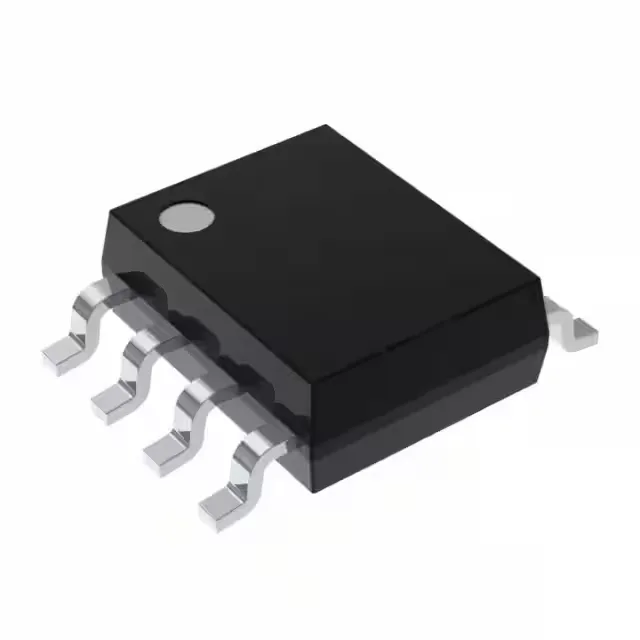
Analog Devices MAX3081ECSA+ — Sensors & Transducers

MAX3081ECSA+ RS-485/422 Transceiver

MPNMAX3081ECSA+
End of Life

Analog Devices MAX3081ECSA+, RS-422/RS-485 full-duplex transceiver, 115 kbps, 1 driver / 1 receiver, 8-SOIC, 4.75V–5.25V supply, 0°C to 70°C

$4.82Ref. price · indicative, final on quote
Packaging8-SOIC (0.154", 3.90mm Width)
RoHSROHS3 Compliant
Sourced new & surplus through independent channelsAuthenticity-screened · ESD-safe packingListing updated Aug 2026

Specifications

MAX3081ECSA+ specifications
ParameterValue
TypeTransceiver
MountingSurface Mount
Voltage4.75V ~ 5.25V
ProtocolRS422, RS485
Operating temperature0°C ~ 70°C
DuplexFull
PackageTube
Data rate115Kbps
Case8-SOIC (0.154\", 3.90mm Width)
Receiver hysteresis100 mV
Number of drivers (Receivers)1/1

Product details

RS-485/422 full-duplex transceiver for 5V industrial buses

The MAX3081ECSA+ is a single full-duplex RS-485/RS-422 transceiver from Analog Devices, delivering 115 kbps on a 4.75V to 5.25V supply rail.

Supply rail and temperature grade — fit check for your BOM

This transceiver operates from a single 5V supply (4.75V–5.25V), so it drops directly into a 5V logic domain without a separate regulator. ROHS3 compliance means no exemption-based paperwork for EU or RoHS-regulated markets.

The ROHS3 compliance is current — no transition risk from older lead-bearing finishes.

Frequently asked questions

Can MAX3081ECSA+ be used in 5V systems?

Yes. The supply voltage range is 4.75V to 5.25V, so it operates directly on a nominal 5V rail. The logic inputs are 5V-tolerant; no level shifting is needed when interfacing with a 5V MCU or UART.

What is the difference between MAX3081ECSA+ and MAX3081ECSA?

The '+' suffix typically denotes ROHS3 compliance and lead-free finish on Analog Devices parts. The MAX3081ECSA+ is ROHS3 compliant, while the non-plus version may carry a tin-lead finish. Electrically the two are identical — same data rate, supply range, and temperature grade. For new designs the '+' version is preferred for RoHS markets.