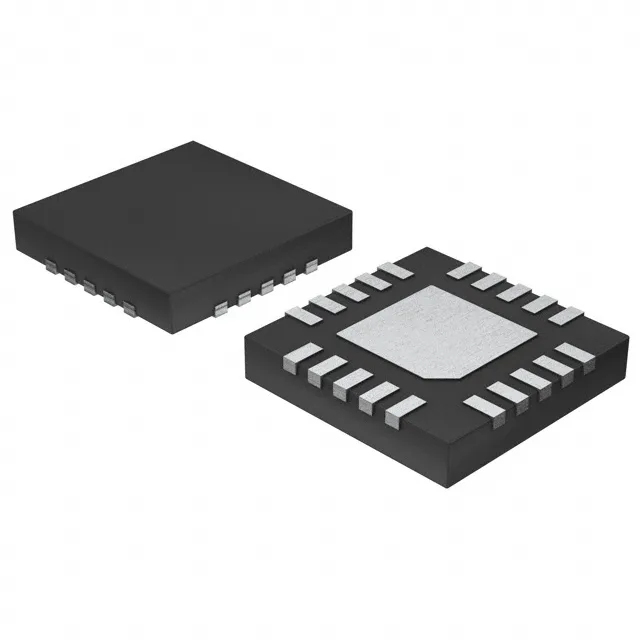
Analog Devices MAX17536ATP+ — Discrete Semiconductors

MAX17536ATP+ Step-Down Buck Regulator, 4A, 60V Input

MPNMAX17536ATP+
End of Life

Analog Devices MAX17536ATP+ step-down (buck) switching regulator, adjustable output, 4A output current, 4.5V-60V input range, synchronous rectifier, 20-TQFN exposed pad package, -40°C to +125°C.

$8.32Ref. price · indicative, final on quote
Packaging20-WQFN Exposed Pad
RoHSROHS3 Compliant
Sourced new & surplus through independent channelsAuthenticity-screened · ESD-safe packingListing updated Aug 2026

Specifications

MAX17536ATP+ specifications
ParameterValue
Output typeAdjustable
MountingSurface Mount
Voltage - input4.5V
Voltage - output54V
Voltage - output (Min (Fixed))0.9V
Output current4A
Frequency100kHz ~ 2.2MHz
I/O channels1
Operating temperature-40°C ~ 125°C (TA)
PackageBulk
FunctionStep-Down
TopologyBuck
Case20-WQFN Exposed Pad
Output configurationPositive
Synchronous rectifierYes

Product details

The MAX17536ATP+ is a step-down (buck) regulator from Analog Devices, rated for 4A continuous output current from a 4.5V to 60V input rail. That 60V maximum input covers 48V telecom buses, 24V industrial supplies with transients, and 12V automotive systems with load-dump protection margin — the internal FET's breakdown voltage handles the surge without an external clamp. The synchronous rectifier (integrated low-side FET) eliminates the external Schottky diode and improves efficiency at high step-down ratios.

Switching frequency and thermal design

The switching frequency is programmable from 100 kHz to 2.2 MHz. A lower frequency (100-300 kHz) reduces switching losses and suits high step-down ratios; a higher frequency (1-2.2 MHz) shrinks the inductor and output capacitor footprint at the cost of increased FET switching loss.

Lifecycle, compliance, and sourcing

ROHS3 compliant (per), with no halogen or lead restrictions beyond the standard exemptions.

Frequently asked questions

What package does the MAX17536ATP+ come in?

The exposed pad requires a thermal land on the PCB for heat sinking.