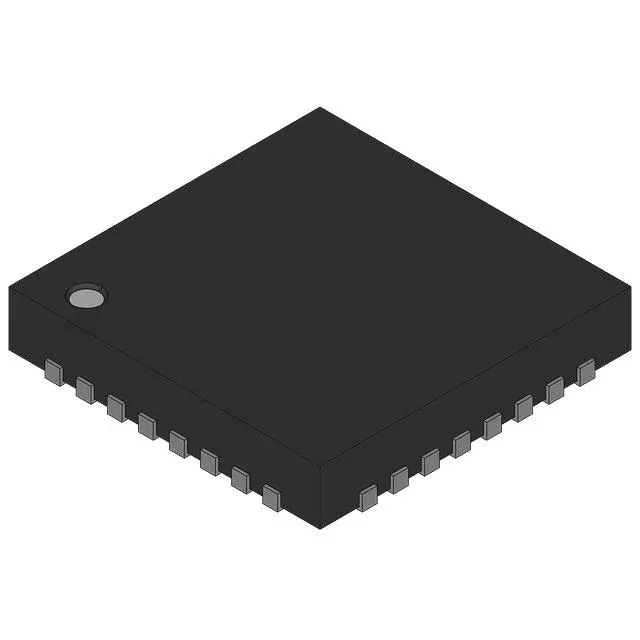
Dual-phase QuickPWM controller — what it is and where it fits
The MAX1519ETL is a dual-phase, QuickPWM controller from Analog Devices, designed for high-current, low-voltage point-of-load regulation where fast transient response and tight output tolerance matter. It sits in the Discrete Semiconductors category, typically deployed on a motherboard, server blade, or telecom line card to generate a core or memory rail from a higher-voltage intermediate bus.
Active lifecycle and the RoHS constraint
It is marked RoHS non-compliant, which means the part contains lead or other restricted substances above the RoHS exemption thresholds. This limits its use to applications with a RoHS exemption (e.g., certain industrial, medical, or military equipment) or to regions where RoHS enforcement does not apply.
Sourcing posture and BOM fit
The Bulk package designation means the device ships in a non-tape-and-reel format — typically tubes or trays — which is the standard for prototype builds and low-volume production. For high-volume reflow, confirm the reel or tape packaging option with the supplier.