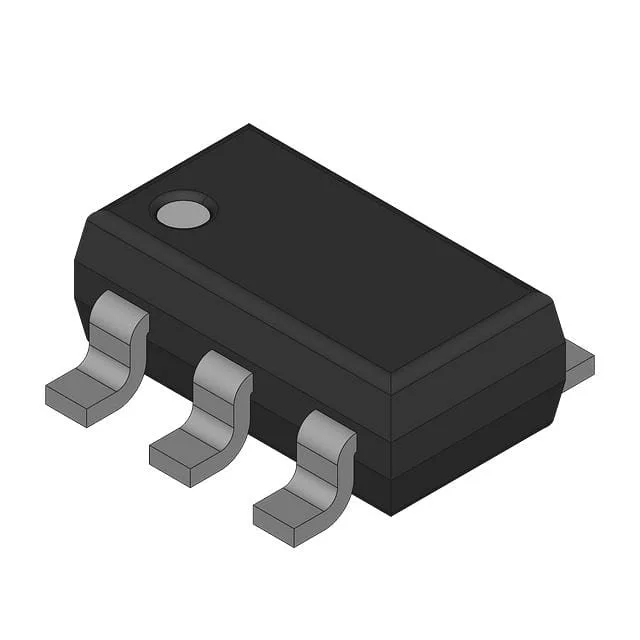
Analog Devices MAX1508ZETA-T — Power Management (PMIC / Gate Driver)

MAX1508ZETA-T Linear Li+ Battery Charger IC, Active

MPNMAX1508ZETA-T
End of Life

Maxim Integrated MAX1508ZETA-T, linear Li+ battery charger IC, Bulk package, active lifecycle, RoHS non-compliant.

$2.55Ref. price · indicative, final on quote
RoHSRoHS non-compliant
Series*
Independent supplier — new & surplus stockAuthenticity-screened · ESD-safe packingListing updated Aug 2026

Specifications

MAX1508ZETA-T specifications
ParameterValue
Series*
PackageBulk

Product details

The Maxim Integrated MAX1508ZETA-T is a linear battery charger IC designed for single-cell lithium-ion or lithium-polymer batteries. It integrates the charge-control pass transistor and current-sense resistor, reducing external component count for portable devices. Typical applications include handheld instruments, Bluetooth headsets, and other compact battery-powered gear where a simple, low-noise charge solution is needed.

However, it is RoHS non-compliant, which is a key constraint for designs requiring lead-free assembly. For BOMs with RoHS exemptions or legacy solder processes, this part fits without issue; for new designs targeting full RoHS compliance, a lead-free alternate should be evaluated.

Sourcing posture

As an active Maxim part, the MAX1508ZETA-T can be sourced through standard distribution.

Frequently asked questions

What is the pinout of MAX1508ZETA-T?

Design engineers need the pin configuration to validate footprint in their schematic.

Is MAX1508ZETA-T in stock?

Buyers need to know real-time availability to fill BOM lines quickly.

What is the price of MAX1508ZETA-T?

Pricing is critical for sourcing decisions and cost analysis.

Where to buy MAX1508ZETA-T?

Sourcing buyers need authorized distributors to ensure supply chain integrity.

What is the replacement for MAX1508ZETA-T?

Maintenance techs and brokers need drop-in replacements for failed units or end-of-life scenarios.

What is the lifecycle status of MAX1508ZETA-T?

Brokers and design engineers must avoid obsolete parts to prevent future supply issues.