Analog Devices LTC6803IG-4#PBF — Analog & Data Acquisition

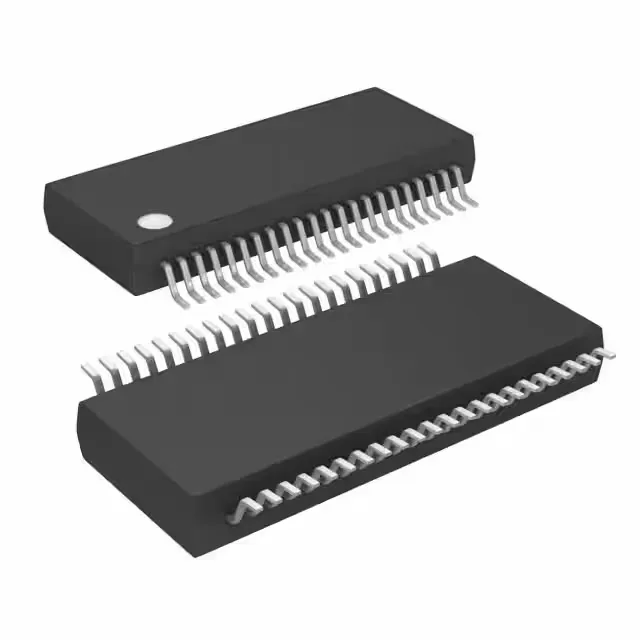
LTC6803IG-4#PBF Battery Monitor, 1-12 Cells, 44-SSOP

MPNLTC6803IG-4#PBF
End of Life

Analog Devices LTC6803IG-4#PBF Battery Monitor, Multi-Chemistry, 1 to 12 Cells, Serial Interface, Over/Under Voltage Protection, 44-FSOP / 44-SSOP, Tube, -40°C to 85°C.

$24.1Ref. price · indicative, final on quote
Packaging44-FSOP (0.209", 5.30mm Width)
RoHSROHS3 Compliant
Independent supplier — new & surplus stockAuthenticity-screened · ESD-safe packingListing updated Aug 2026

Specifications

LTC6803IG-4#PBF specifications
ParameterValue
MountingSurface Mount
InterfaceSerial
Operating temperature-40°C ~ 85°C (TA)
PackageTube
FunctionBattery Monitor
Case44-FSOP (0.209\", 5.30mm Width)
Number of cells1 ~ 12
Fault protectionOver/Under Voltage
Battery chemistryMulti-Chemistry

Product details

Battery stack monitoring for BMS boards

The LTC6803IG-4#PBF is a multi-chemistry battery monitor IC from Analog Devices, designed to measure and balance 1 to 12 series-connected cells in a battery management system. It communicates over a serial interface and includes integrated over/under voltage fault protection, making it suitable for lithium-ion, LiFePO4, lead-acid, and other chemistries in automotive, industrial, and energy storage packs.

Surface-mount assembly with a 0.65 mm typical lead pitch. The 44-SSOP is a rework-friendly package — a hot-air station can lift it without pad damage if the board is preheated to 100°C and the flux is active. Pin 1 is clearly marked on the top mold; no orientation ambiguity.

Supplied in tube packaging.

Frequently asked questions

What is the difference between LTC6803IG-4#PBF and LTC6803IG-3#PBF?

Both are functionally identical multi-chemistry battery monitors supporting 1 to 12 cells with a serial interface and over/under voltage protection in the same 44-SSOP package. The -4 and -3 suffixes denote different address or configuration options in the LTC6803 family — the pinout and footprint are the same, so one can replace the other on the same PCB layout if the host firmware accommodates the addressing difference.