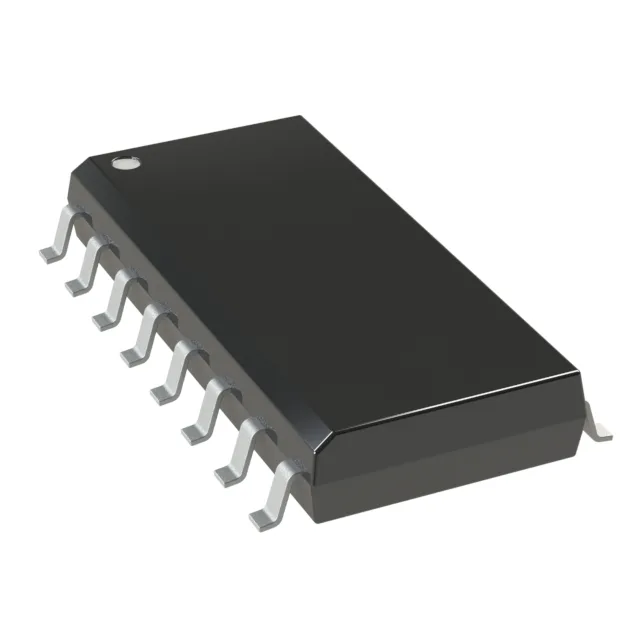
Analog Devices DS2762AE+T&R — Analog & Data Acquisition

DS2762AE+T&R Battery Monitor, Li-Ion, 1-Wire, 16-TSSOP

MPNDS2762AE+T&R
End of Life

Maxim Integrated DS2762AE+T&R, Battery Monitor, Li-Ion, 1-Wire Interface, Over Current/Over/Under Voltage/Short Circuit Protection, 16-TSSOP Package, -20°C to 70°C.

$4.84042Ref. price · indicative, final on quote
Packaging16-TSSOP (0.173", 4.40mm Width)
RoHSROHS3 Compliant
Sourced new & surplus through independent channelsAuthenticity-screened · ESD-safe packingListing updated Aug 2026

Specifications

DS2762AE+T&R specifications
ParameterValue
MountingSurface Mount
Interface1-Wire
Operating temperature-20°C ~ 70°C (TA)
PackageTape & Reel (TR)
FunctionBattery Monitor
Case16-TSSOP (0.173\", 4.40mm Width)
Fault protectionOver Current, Over/Under Voltage, Short Circuit
Battery chemistryLithium Ion

Product details

Li-Ion battery monitor with 1-Wire interface

The Maxim Integrated DS2762AE+T&R is a Li-Ion battery monitor that tracks charge, voltage, current, and temperature over a single 1-Wire interface. It integrates over-current, over/under-voltage, and short-circuit fault protection — the full protection set for a single-cell Li-Ion pack. The 1-Wire bus means only one data line plus ground to the host, which simplifies wiring in portable equipment where connector pins are tight.

ROHS3 compliant, so no conflict with EU or California restricted-substance rules.

Frequently asked questions

Is DS2762AE+T&R compatible with single-cell Li-Ion?

Yes — the battery chemistry is Li-Ion, and the fault protection set (over-current, over/under voltage, short circuit) is designed for a single-cell pack. The 1-Wire interface reports voltage, current, temperature, and accumulated charge to the host.

Can DS2762AE+T&R be used with LiFePO4 batteries?

The listed battery chemistry is Li-Ion, not LiFePO4. LiFePO4 cells have a different voltage plateau and charge algorithm; this monitor's over/under-voltage thresholds are set for Li-Ion chemistry. Using it with LiFePO4 would require verifying the thresholds against the cell's operating window.