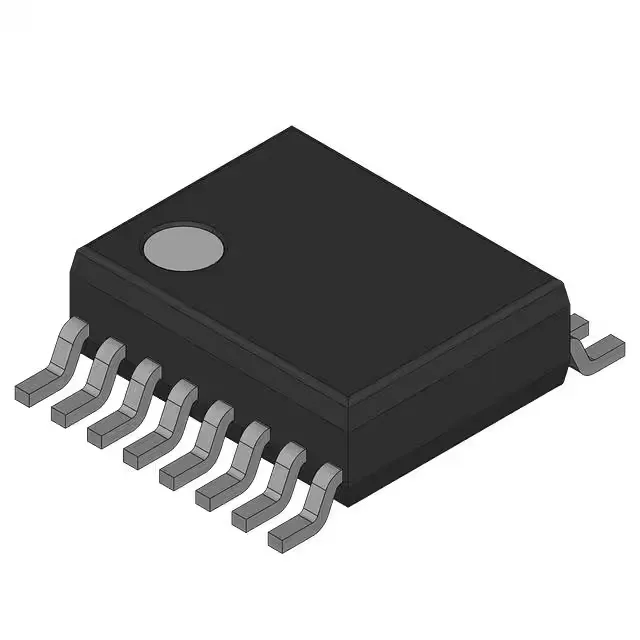
Analog Devices ADM1034ARQ — Discrete Semiconductors

ADM1034ARQ Thermal Monitor, Fan Control, ±1°C, SMBus

MPNADM1034ARQ
End of Life

ADI ADM1034ARQ Thermal Monitor and Fan Speed Controller, ±1°C accuracy, SMBus output, internal and external sensor, 3V to 5.5V supply, -40°C to 125°C, 16-SSOP/QSOP package.

$4.16Ref. price · indicative, final on quote
Packaging16-SSOP (0.154", 3.90mm Width)
RoHSRoHS non-compliant
Independent supplier — new & surplus stockAuthenticity-screened · ESD-safe packingListing updated Aug 2026

Specifications

ADM1034ARQ specifications
ParameterValue
Output typeSMBus
Sensor typeInternal and External
MountingSurface Mount
Supply voltage3V ~ 5.5V
Operating temperature-40°C ~ 125°C
PackageBulk
Accuracy±1°C
FunctionFan Control, Temp Monitor
TopologyADC, Comparator, Multiplexer, Register Bank
Output fanYes
Output alarmYes
Case16-SSOP (0.154\", 3.90mm Width)
Sensing temperature-40°C ~ 125°C, External Sensor

Product details

What the ADM1034ARQ does on a thermal-management bus

It integrates an ADC, comparator, multiplexer, and register bank in a single 16-pin SSOP or QSOP package, so a single IC replaces several discrete temperature sensors and fan-control logic blocks on a server, telecom line card, or industrial controller PCB.

SMBus integration — what the output type means for the bus

The ADM1034ARQ communicates over SMBus. The output alarm pin provides a hardware interrupt on over-temperature events.

Frequently asked questions

Does ADM1034ARQ work with SMBus?

Yes. The output type is SMBus, and the part includes an SMBus-compatible serial interface. The alarm output provides a hardware interrupt on over-temperature events, so the host does not need to poll the register bank continuously.

Can ADM1034ARQ be used with a 3.3V supply?

Yes. The supply voltage range is 3V to 5.5V, so a 3.3V rail is within spec. The part will operate on the same 3.3V SMBus without an additional regulator.

What is ADM1034ARQ's listed accuracy?

±1°C across the full -40°C to 125°C operating range. This covers both the internal sensor and the external diode-connected transistor input.