Toshiba Semiconductor 7UL2G126FK,LF — Discrete Semiconductors

Toshiba 7UL2G126FK,LF Buffer, 0.9-3.6V, US8

MPN7UL2G126FK,LF
End of Life

Toshiba Semiconductor 7UL series buffer, non-inverting, 3-state output, 0.9V to 3.6V supply, 8mA drive, 8-VFSOP US8 package, Tape & Reel.

$0.37Ref. price · indicative, final on quote
Packaging8-VFSOP (0.091", 2.30mm Width)
RoHSROHS3 Compliant
Series7UL
Sourced new & surplus through independent channelsAuthenticity-screened · ESD-safe packingListing updated Aug 2026

Specifications

7UL2G126FK,LF specifications
ParameterValue
Series7UL
Logic typeBuffer, Non-Inverting
Output type3-State
MountingSurface Mount
Voltage0.9V ~ 3.6V
Current - output high, low8mA, 8mA
Operating temperature-40°C ~ 85°C
PackageTape & Reel (TR); Cut Tape (CT)
Case8-VFSOP (0.091\", 2.30mm Width)
Number of elements1
Number of bits per element2

Product details

US8 footprint and what it means for the board

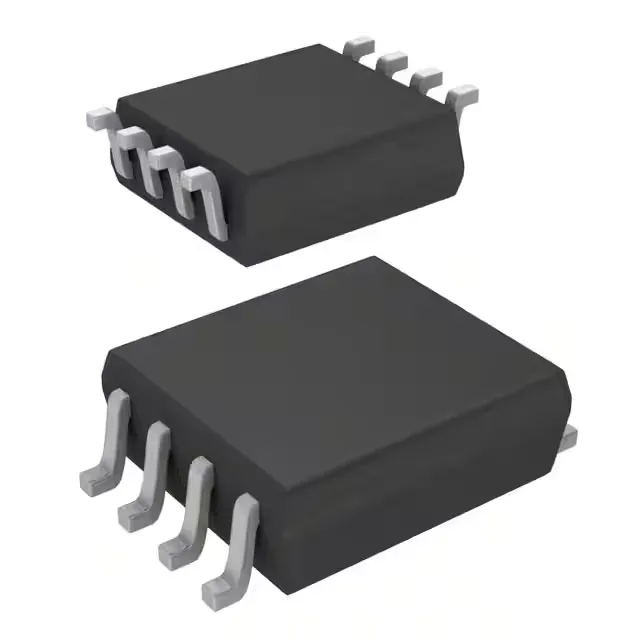
The 7UL2G126FK,LF comes in an 8-VFSOP package (0.091" body width, 2.30mm) with the supplier device package designated US8 — a tiny footprint that fits on tight mixed-signal boards where every mm² counts. Surface-mount only, so plan for a reflow profile, not a hand-solder swap in the field.

Supply flexibility from 0.9V to 3.6V

No level translator needed if the upstream and downstream domains both fall inside this window; the buffer just passes the signal through. With 8mA source and sink capability on each output, it can drive a couple of standard-logic loads or a short PCB trace without needing a dedicated line driver. The 3-state output lets you share a data bus — pull the output enable low and the pin goes high-impedance, so another device can take over the line.

Two bits, non-inverting, industrial temp

Two independent buffer channels per package, each non-inverting — what goes in on the input comes out the same polarity on the output.

Frequently asked questions

Will 7UL2G126FK,LF drop into a board designed for 7UL2G125FK,LF?

The 7UL2G125FK,LF is the inverting version of the same buffer — same package (US8), same pinout, same supply range. The only difference is the logic polarity: the 125 inverts the input, the 126 does not. If your board expects a non-inverting signal, the 126 is a direct footprint swap; if the design relies on the inversion, you will need to add an external inverter or change the firmware.