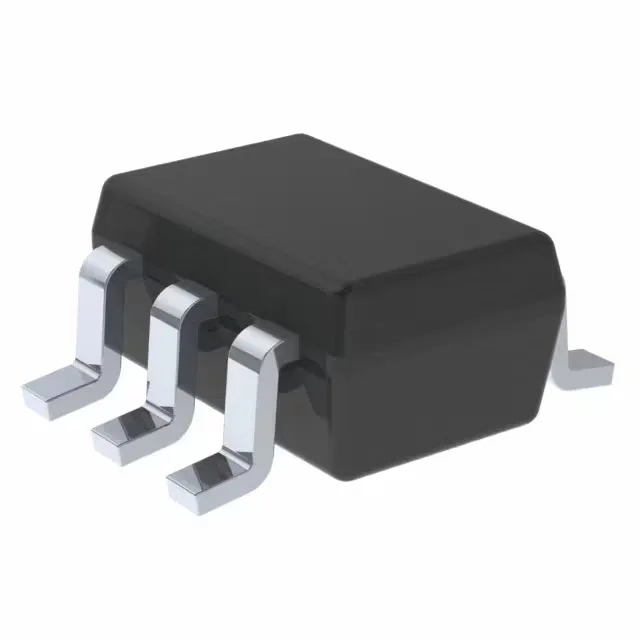
Texas Instruments TLV7211IDCKT — Analog & Data Acquisition

TLV7211IDCKT General Purpose Comparator, Push-Pull, SC-70-6

MPNTLV7211IDCKT
End of Life

Texas Instruments TLV7211IDCKT, General Purpose comparator, single element, Push-Pull output, 10 µs propagation delay, 2.7 V to 15 V supply, SC-70-6 package, -40°C to 85°C.

$1.45Ref. price · indicative, final on quote
Packaging6-TSSOP, SC-88, SOT-363
StockContact for availability
MOQ1 pcs
  • 100% new & originalTraceable channels only — no refurbs, no pulls, no remarked parts.
  • Date & lot codes on quoteStated per line before you commit; label photos on request.
  • MSL-compliant ESD packingMoisture-sealed bags with indicator cards; reels photo-verified.
  • PayPal buyer protectionPay by T/T, PayPal or Payoneer — card payments covered end to end.

Specifications

TLV7211IDCKT Technical Specifications
ParameterValue
TypeGeneral Purpose
Output typePush-Pull
Mounting typeSurface Mount
Voltage - input offset15mV @ 5V
Voltage - supply, single (Dual (±))2.7V ~ 15V
Current - output30mA
Current - quiescent18µA
Current - input bias0.04pA @ 5V
Operating temperature-40°C ~ 85°C
PackageTape & Reel (TR); Cut Tape (CT)
Case6-TSSOP, SC-88, SOT-363
CMRR, PSRR75dB CMRR, 80dB PSRR
Number of elements1
Propagation delay10µs

Product details

Single CMOS comparator with push-pull output — what it is and where it fits

The Texas Instruments TLV7211IDCKT is a single, general-purpose CMOS comparator with a push-pull output stage that eliminates the external pull-up resistor required by open-drain comparators. It operates from a 2.7 V to 15 V single supply, draws a maximum quiescent current of 18 µA, and delivers a propagation delay of 10 µs. The rail-to-rail input range and 0.04 pA typical input bias current make it suited for high-impedance sensor interfaces — think photodiode threshold detection, battery-voltage monitoring, or zero-crossing detectors in industrial controls. The industrial temperature grade (-40°C to 85°C) covers factory-floor and outdoor telecom enclosures.

10 µs propagation delay — what it means for the BOM

The 10 µs max propagation delay sets the response ceiling for level detection, zero-crossing, and overvoltage latch circuits. This comparator is not designed for high-speed PWM feedback or fast fault interrupts.

No pull-up, no buffer — push-pull output and sub-picoamp bias

Push-pull output drives logic levels directly to a microcontroller GPIO without an external pull-up, saving a resistor and one board layer. The 0.04 pA typical input bias current preserves accuracy when reading high-impedance sources like pH probes or photodiode amplifiers without a buffer stage. The 75 dB CMRR and 80 dB PSRR keep false triggers at bay in motor-drive or switching-PSU environments.

Lifecycle and sourcing

The SC-70-6 footprint is shared with several other single comparators, making it straightforward to dual-source for supply resilience.

Frequently asked questions

What is the propagation delay of the TLV7211IDCKT?

The maximum propagation delay is 10 µs, which sets the response ceiling for level detection and zero-crossing circuits.

What is the TLV7211IDCKT equivalent part?

The TLV7041QDBVRQ1 is a functionally similar single comparator from TI, but it uses an open-drain output and is AEC-Q100 qualified for automotive applications. The TLV7211IDCKT has a push-pull output and is rated for industrial temperature range. Verify the output type and supply voltage before substituting.