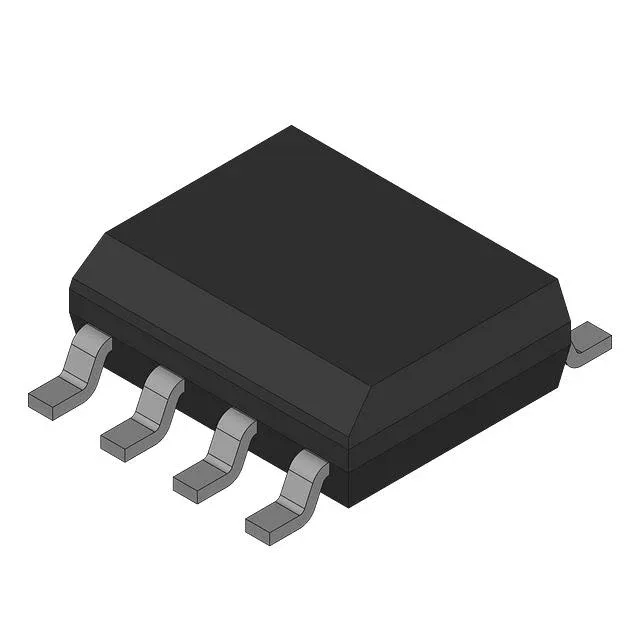
The 10 µV typical input offset voltage is the standout feature here — it eliminates the need for external nulling in precision DC circuits like thermocouple amplifiers or strain-gauge bridges, where a few hundred microvolts of offset would otherwise require software calibration or a trim pot.
Supply range and temperature — where this part fits
The supply span runs from 4 V to 6 V, so it is a natural fit for 5 V ±10% systems — think industrial sensor interfaces, battery-monitoring front-ends, or portable instrumentation running off a regulated 5 V bus. If your design needs to live in a -40°C engine bay or an outdoor enclosure, this is not the variant for that — you would look at the industrial-grade TLC4501AID or similar.