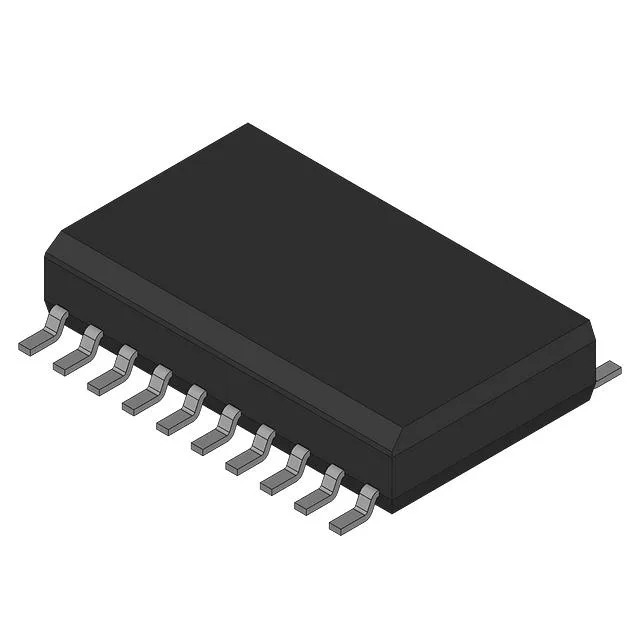
Texas Instruments TCM320AC56CDW — Analog & Data Acquisition

TCM320AC56CDW Baseband Circuit, CMOS PDSO20, Active

MPNTCM320AC56CDW
End of Life

Texas Instruments TCM320AC56CDW baseband circuit, CMOS, PDSO20 package, active lifecycle, RoHS non-compliant.

$2.01Ref. price · indicative, final on quote
StockContact for availability
MOQ1 pcs
  • 100% new & originalTraceable channels only — no refurbs, no pulls, no remarked parts.
  • Date & lot codes on quoteStated per line before you commit; label photos on request.
  • MSL-compliant ESD packingMoisture-sealed bags with indicator cards; reels photo-verified.
  • PayPal buyer protectionPay by T/T, PayPal or Payoneer — card payments covered end to end.

Specifications

TCM320AC56CDW Technical Specifications
ParameterValue
Series*
PackageBulk

Product details

Baseband circuit in a PDSO20 — what this part is

The TCM320AC56CDW is a CMOS baseband circuit from Texas Instruments, housed in a 20-pin PDSO20 package. It handles the analog front-end signal processing for voice-band and telephony applications, typically found on line cards, modem boards, and legacy telecom infrastructure where a dedicated baseband processor manages the physical-layer interface.

RoHS non-compliance — what it means for the BOM

This part is RoHS non-compliant. That puts it into the leaded solder process track — the board assembly line must be configured for tin-lead reflow or wave solder, and the finished product needs a RoHS exemption or a customer waiver. If your BOM requires full RoHS compliance, this is not the part to build into a new design; it belongs in a repair or legacy-support run where the existing process is already qualified for leaded solder.

Sourcing posture for the TCM320AC56CDW

The active status removes the urgency of a last-time-buy, but the RoHS non-compliance means it should be qualified for the specific assembly process.

Frequently asked questions

Is TCM320AC56CDW RoHS compliant?

No, the TCM320AC56CDW is RoHS non-compliant. It uses leaded solder terminations and requires a tin-lead assembly process.