1.65V to 3.6V supply — what it buys the board
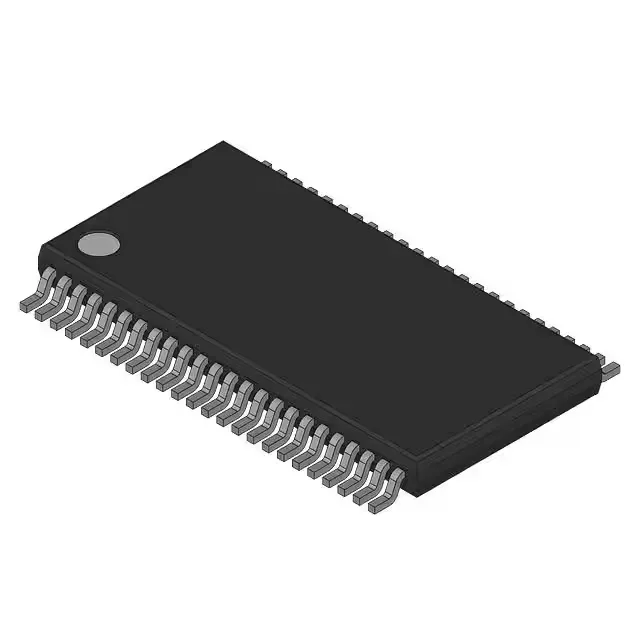
The Texas Instruments SN74LVCH16240ADGG is a 4-element inverting buffer with 3-state outputs from the 74LVCH family, packaged in a 48-TFSOP (6.10mm width) and also offered in a 48-TSSOP footprint. Its supply range of 1.65V to 3.6V lets it bridge 1.8V-core logic to a 3.3V peripheral bus without a level translator, or run directly from a 3.3V or 2.5V rail. Each of the four elements handles 4 bits, giving you 16 bits of buffered, inverting bus interface in a single package.
24 mA symmetric drive — fan-out and signal integrity
At 3.3V supply, that drive strength can handle a heavily loaded backplane or memory-array address bus with reasonable edge rates. The symmetric drive means the rising and falling transition times match closely, which simplifies timing closure on a bidirectional bus where the round-trip delay budget is tight. For a 16-bit wide memory or peripheral bus running at 50-100 MHz, this buffer keeps the signal edges clean without excessive overshoot.
The 74LVCH family's CMOS process holds leakage low across the temperature range, so the quiescent supply current doesn't climb sharply at 85°C the way a bipolar bus driver would. If your board sees condensation cycles or unheated storage, the industrial range covers it without derating.
Package and footprint note
Surface-mount in a 48-TFSOP (0.240", 6.10mm width) and also listed with a 48-TSSOP supplier device package. The two are footprint-compatible for layout — TFSOP is the thin version of TSSOP with the same body dimensions and pin pitch. The 0.5mm lead pitch needs a fine-pitch soldering tip or stencil; no thermal pad to worry about.