2V to 5.5V supply — the rail compatibility check
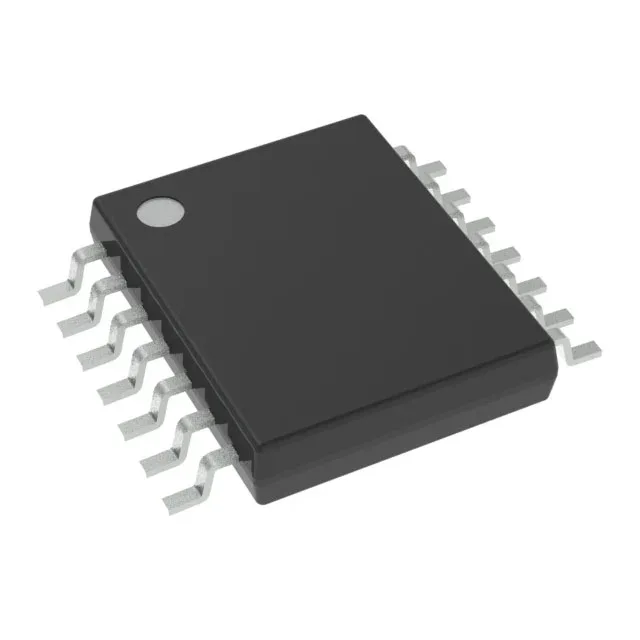
The Texas Instruments SN74LV04APW is a hex inverter from the 74LV low-voltage logic family, packing six independent inverter gates in a 14-TSSOP package. It operates across a 2V to 5.5V supply range, so it can sit on a 3.3V or 5V rail without a level translator — a common need when bridging a 3.3V MCU to a 5V peripheral or cleaning up a digital line in a mixed-voltage design. The 74LV series is optimized for low power, with a maximum quiescent current of 20 µA, making it suitable for battery-aware or always-on subsystems where the inverter bank is idle most of the time.
The maximum propagation delay is 7.5 ns at 5V with a 50 pF load. At 3.3V the delay will be a bit higher (the 74LV datasheet curve shows roughly 11 ns typical at 3.3V, 50 pF), so budget accordingly if the design runs near the timing limit.
Industrial temperature range and active lifecycle
ROHS3 compliant, no lead or restricted substances beyond the exemption limits. The 14-TSSOP package (4.40 mm body width) is a common footprint; verify the land pattern against your PCB layout — the 0.65 mm pin pitch is finer than the older SOIC-14, so a rework station with a fine-tip iron or hot-air pencil is recommended for hand assembly or touch-up.