FRAM instead of Flash — why it matters for this MCU
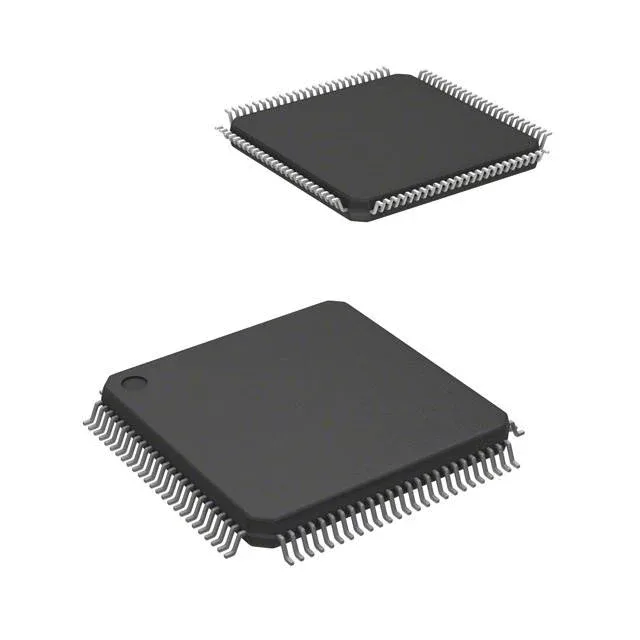
Its program memory is 256 KB of FRAM — ferroelectric RAM — which combines the non-volatility of Flash with the write speed and endurance of SRAM. That means you can treat code memory almost like data memory: write to it byte-by-byte at bus speed, with 10^15 write cycles per bit, no erase-before-write penalty. For applications that log data, update firmware over the air, or wake from deep sleep to write a quick record, FRAM eliminates the wear-leveling and block-erase overhead that Flash imposes. The 8K x 8 SRAM provides scratchpad for stack and variables. The 76 GPIOs in the 100-LQFP package give plenty of headroom for sensor arrays or display panels.