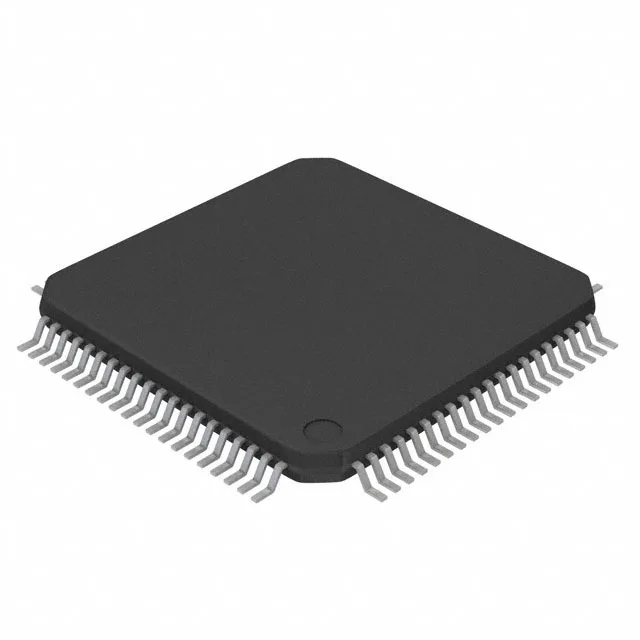
Texas Instruments MSP430FR5994IPN — Microcontrollers & Processors (MCU / MPU / DSP)

Texas Instruments MSP430FR5994IPN MCU, 16-Bit, 16 MHz

MPNMSP430FR5994IPN
End of Life

Texas Instruments MSP430FR5994IPN, MSP430™ FRAM series, 16-bit MCU, 16 MHz MSP430 CPUXV2 core, 256 KB FRAM, 8 KB SRAM, 20-channel 12-bit ADC, 68 I/O, 1.8–3.6 V, -40 to 85°C, 80-LQFP (12×12 mm) Tray.

$13.3900Ref. price · indicative, final on quote
StockContact for availability
MOQ1 pcs
  • 100% new & originalTraceable channels only — no refurbs, no pulls, no remarked parts.
  • Date & lot codes on quoteStated per line before you commit; label photos on request.
  • MSL-compliant ESD packingMoisture-sealed bags with indicator cards; reels photo-verified.
  • PayPal buyer protectionPay by T/T, PayPal or Payoneer — card payments covered end to end.

Specifications

MSP430FR5994IPN Technical Specifications
ParameterValue
SeriesMSP430™ FRAM
Mounting typeSurface Mount
Oscillator typeExternal, Internal
Program memory typeFRAM
Voltage - supply (Vcc (Vdd))1.8V ~ 3.6V
Operating temperature-40°C~85°C(TA)
Speed16MHz
PackageTray
RAM size8K x 8
Core size16-Bit
PeripheralsBrown-out Detect/Reset, DMA, POR, PWM, WDT
ConnectivityI²C, IrDA, SPI, UART/USART
Number of i (O)68
Core processorMSP430 CPUXV2
Case80-LQFP
Data convertersA/D 20x12b
Program memory size256KB (256K x 8)

Product details

256 KB FRAM — no wear-leveling needed for data logging

Its 256 KB of FRAM program memory combines non-volatility with byte-addressable write speeds that outpace Flash, so you can log sensor data or store calibration constants without managing erase cycles or wear-leveling. The 8 KB SRAM handles stack, fast buffers, and DMA transfers. Twenty 12-bit ADC channels sample analog inputs directly, and 68 GPIOs give headroom for parallel sensor arrays or display interfaces.

Brown-out detect and POR are integrated, so the core resets cleanly on power-up and during sag events. The internal oscillator trims to spec, but an external crystal can be used for tighter timing — the oscillator type supports both internal and external sources.

Connectivity and peripherals for sensor hub designs

The DMA engine moves data between peripherals and memory without CPU intervention, which keeps the core free for algorithm work. PWM outputs can drive small motors or LED drivers directly, and the watchdog timer guards against firmware lockups in unattended equipment.

80-LQFP (12×12 mm) — hand-solderable with a fine tip

The 80-LQFP package with 0.4 mm pitch is a standard surface-mount footprint that reflows cleanly with a hot-air station or reflow oven. The 12×12 mm body leaves room for fan-out vias on a two-layer board. MSL 3 out of the bag — bake before reflow if the moisture barrier bag has been open past the floor-life window. The exposed pad is not present on this package, so thermal dissipation relies on the leadframe and board copper.

The base product number MSP430FR5994 covers the whole density family, so if a future design needs more memory or a different package, the migration stays within the same part-number root. For dual-sourcing resilience, the MSP430FR5994IPN is a single-sourced TI part — no official second source exists, but the FRAM ecosystem is mature and TI has maintained long production runs on this series.

Frequently asked questions

What development tools work with MSP430FR5994IPN?

TI's Code Composer Studio (CCS) and IAR Embedded Workbench for MSP430 both support the MSP430 CPUXV2 core. The Spy-Bi-Wire (SBW) two-wire JTAG interface is the standard programming and debug connection, accessible through TI's LaunchPad development kits or standalone debug probes like the MSP-FET.

What is the closest pin-compatible alternative to MSP430FR5994IPN in this component family?

Within the MSP430FR5994 series, the MSP430FR5994IPN is the 80-pin LQFP variant with 256 KB FRAM. The MSP430FR59941IPN (if it exists) or other MSP430FR5994x parts in the same 80-LQFP package are pin-compatible across the family, differing only in FRAM density. For a drop-in replacement with the same memory, the MSP430FR5994IPN itself is the target; no exact second-source exists outside TI.