FRAM-based MSP430 — what it changes for your BOM
That means you can treat the FRAM like a combination of code storage and EEPROM, eliminating a separate serial EEPROM for calibration constants, configuration tables, or data logging.
16 MHz core and 8.5 KB FRAM — sizing the job
The 16 MHz clock rate and 8.5 KB FRAM place this MCU in the sweet spot for low-power control and UI applications that don't need a 32-bit pipeline or megabytes of code space. The 1 KB of SRAM is tight for buffering; if your application needs a large DMA buffer or a full frame of graphics data, budget carefully or step up to the higher-density siblings in the MSP430FR413x family.
Supply range and temperature — derating the decision
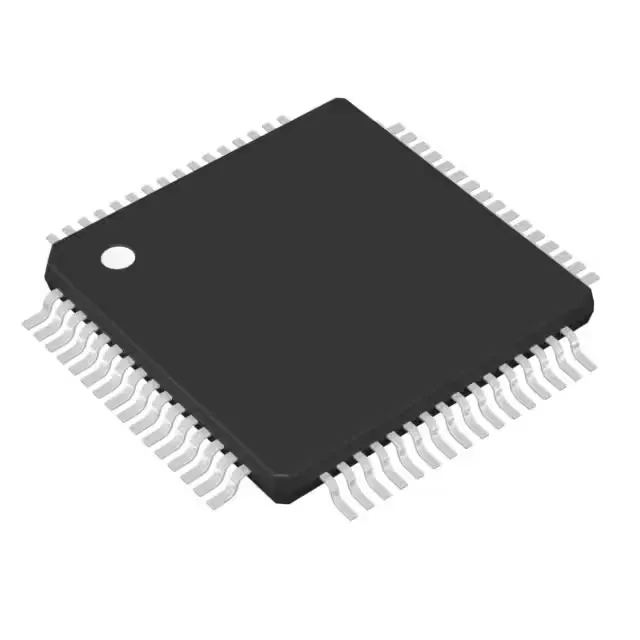
The 64-LQFP package with 60 I/O gives you enough pins for a parallel LCD interface, a keypad matrix, and a few external sensors without needing a port expander.
Lifecycle status — no LTB clock ticking
The base product number MSP430FR4132 covers the whole density and package family, so if you later need more FRAM or a smaller footprint, the migration path stays inside the same TI product tree without a requalification.