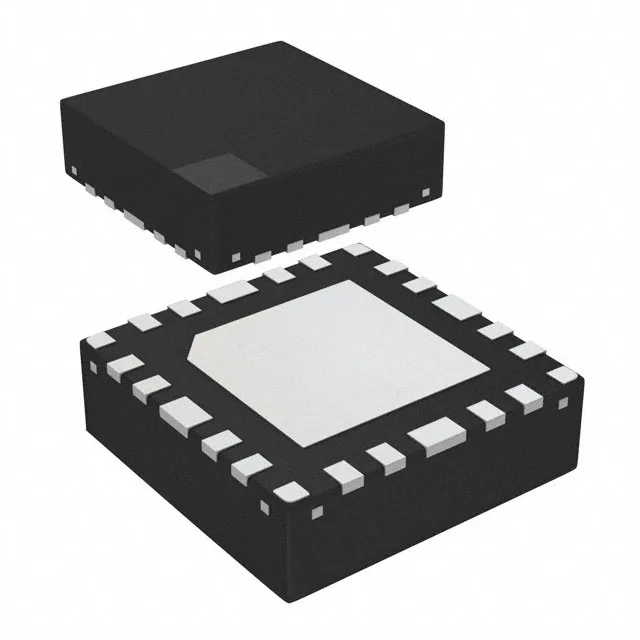
FRAM program memory — the design decision driver
That makes it a fit for applications that log data or update configuration parameters frequently, where a Flash part would wear out or stall the write. The 512-byte SRAM is tight, so firmware needs to be lean — think simple state machines, sensor polling, or glue logic rather than a full protocol stack.
Peripherals and I/O — what the 12 pins give you
With 12 I/O lines and an internal oscillator, this MCU can handle basic control tasks without an external clock source. Brown-out reset and POR are on-chip, so external supervisor ICs are optional for cost-sensitive boards.