What this 16-bit MCU brings to a low-power design
The MSP430F5638IZCAR: The part integrates a full-speed USB 2.0 interface alongside I²C, SPI, UART, IrDA, and LIN — so it can serve as a USB-to-serial bridge, a data logger aggregating multiple sensor buses, or the main controller in a battery-powered instrument.
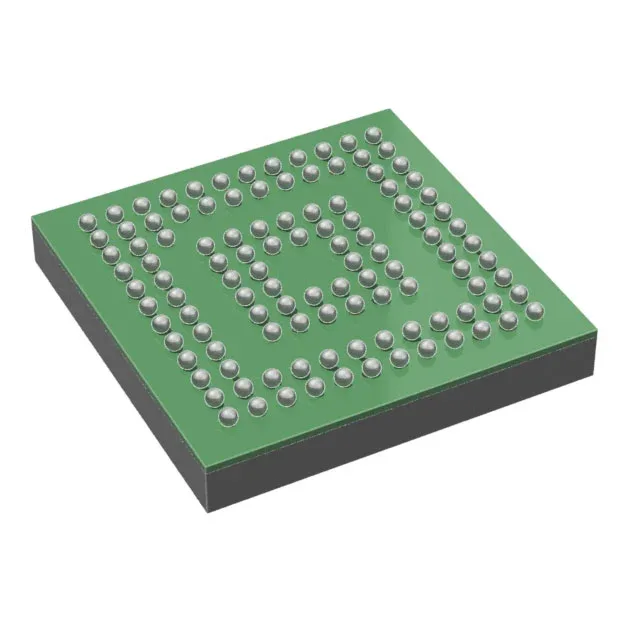
This MCU comes in a 113-ball VFBGA (7x7 mm) package. It's a fine-pitch BGA — not a part you'd hand-solder with a standard iron; you'll want a stencil, reflow oven, and preferably an X-ray for post-solder inspection. With 74 I/O lines available, you have enough pins to interface a parallel LCD or a bank of sensors alongside the USB connection.
Memory and USB — the two specs that decide fit
The 256 KB Flash and 18 KB RAM are the first gate for firmware size. A USB CDC or HID stack plus a modest application typically fits in 64–128 KB, so this part leaves headroom for field-upgradeable firmware or a more complex protocol stack. The USB peripheral supports device mode (not host mode natively — see FAQ), which covers the common use case of a peripheral like a data logger or a virtual COM port. If your design needs USB host capability (e.g., reading a USB flash drive), you'd need an external USB host controller or a different MCU with an OTG PHY.
This is a standard RoHS-compliant part (no lead in the solder balls or package finish).