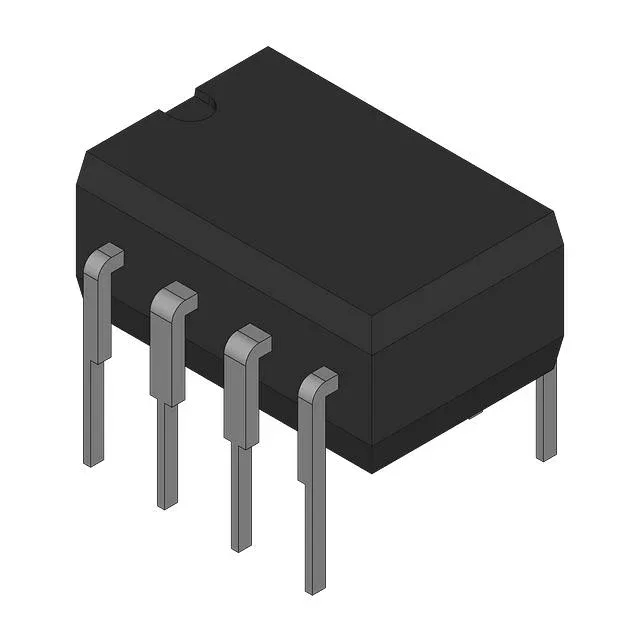
Precision general-purpose op-amp in a DIP — what the specs mean for your design
The LT1001ACP: Its defining characteristic is a 10 µV maximum input offset voltage — a precision figure that puts it in the class of chopper-stabilized or auto-zero amplifiers without the clock noise, making it a strong candidate for low-level DC signal conditioning, thermocouple amplifiers, and precision integrators where offset drift matters. Operating from a single or split supply spanning 8 V to 44 V, it fits traditional ±15 V industrial rails as well as single-supply designs down to 8 V.
10 µV offset — the precision anchor
The 10 µV voltage offset is the rating that defines the LT1001ACP's application space. For a strain-gauge bridge producing a 2 mV/V output, a 10 µV offset represents a 0.5% error before any gain — acceptable for most industrial weigh-scale front ends, and far better than a generic op-amp's 1–5 mV offset. The 500 pA input bias current is low enough that it won't dominate error from a 10 kΩ source resistance (5 µV drop), but higher than a FET-input op-amp; if your source impedance exceeds 100 kΩ, consider a CMOS alternative.
Through-hole package — legacy fit and rework implications
For a rework lab or a board that must survive high-vibration environments without BGA solder-joint risk, the DIP is serviceable — socketable if you add an 8-pin DIP socket, or soldered directly.
Temperature grade and compliance
It is not qualified to AEC-Q100 or automotive-grade levels. RoHS non-compliant, which means lead-bearing solder terminations: verify your assembly process accepts tin-lead finish; many RoHS-exempt military or industrial lines still do.