What this current-feedback amp is and where it goes
The part runs on a single supply from 8 V to 12.5 V, or dual supplies from ±4 V to ±6.25 V, and draws only 5.6 mA of supply current — reasonable for a 400 MHz part.
The 1800 V/µs slew rate means this amp can swing a 5 V peak-to-peak output in under 3 ns. That matters when you are driving a 75 Ω video load at standard-definition or even HD rates — the output stage does not slew-limit the signal, so you keep the edge integrity. It also matters for pulse applications: a fast comparator output driving a long cable, or a DAC reconstruction filter that needs to preserve the step response. The trade-off is that current-feedback topologies are more sensitive to feedback resistor values than voltage-feedback amps — stick to the values recommended in the datasheet for the gain you need.
Supply range and single-supply gotcha
The LMH6714MF runs on a single supply from 8 V to 12.5 V, or dual supplies from ±4 V to ±6.25 V. A common question is whether it works on a single 5 V supply — the answer is no, the minimum single-supply voltage is 8 V. If you have a 5 V rail, you will need a boost converter or a different part. On a single 12 V rail the input common-mode range and output swing are wide enough for most video and pulse circuits. On ±5 V dual supplies the part is right at home — that is the sweet spot for many high-speed analog designs.
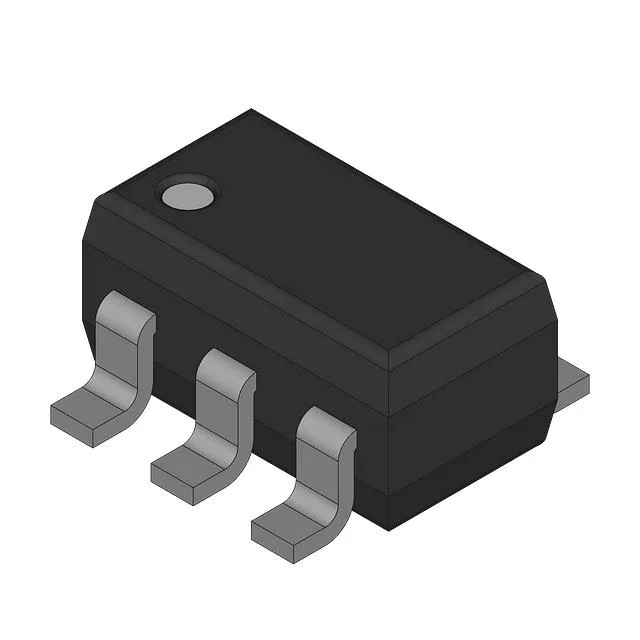
The SOT-23-5 package is small — about 2.9 mm by 1.6 mm — but the pin pitch is 0.95 mm, which is manageable with standard tweezers and a temperature-controlled iron. No exposed pad, no thermal via requirement. The part is surface-mount, so a hot-air station makes removal clean.