1.4 MHz GBW, 0.002 pA bias — the CMOS dual op-amp for high-impedance signal chains
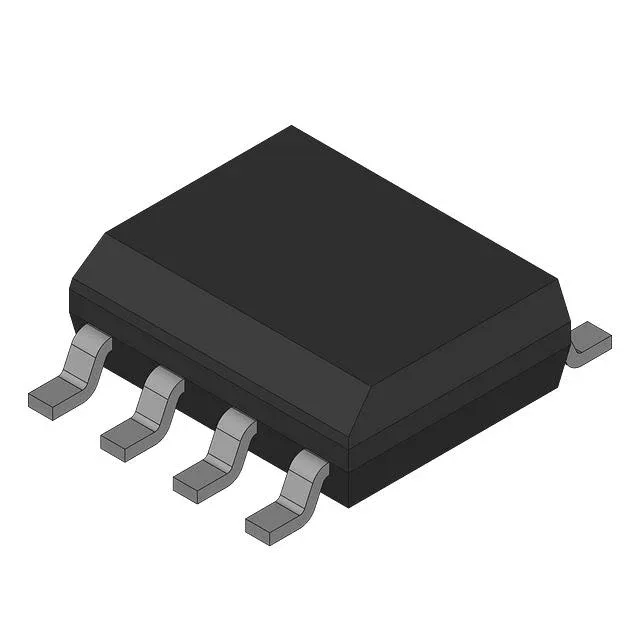
The Texas Instruments LMC662AIM is a CMOS dual operational amplifier in the LMC® series, packing two independent channels in an 8-SOIC package. The real differentiator is the input bias current: 0.002 pA typical, which means negligible loading on high-impedance sources like photodiodes, pH probes, or piezoelectric sensors. Output swings rail-to-rail, so you get the full supply dynamic range into an ADC or comparator without a second supply rail.
The LMC662AIM operates from a single supply as low as 4.75 V up to 15.5 V, or split supplies up to ±7.75 V. That 4.75 V minimum means it runs cleanly on a 5 V rail with margin, but not on 3.3 V — keep that in mind when porting a design from a lower-voltage op-amp.
For a precision DC measurement channel that's marginal — you'd want a chopper or zero-drift amplifier if you need sub-millivolt accuracy without calibration. But for AC-coupled paths or applications where a one-time offset trim is acceptable, this is fine. The push-pull rail-to-rail output stage means no dead zone near the rails, which simplifies single-supply interface design.