Texas Instruments LMC6464BIM-TI — Logic ICs

LMC6464BIM-TI CMOS Quad Op-Amp, 50 kHz GBW, Rail-to-Rail

MPNLMC6464BIM-TI
End of Life

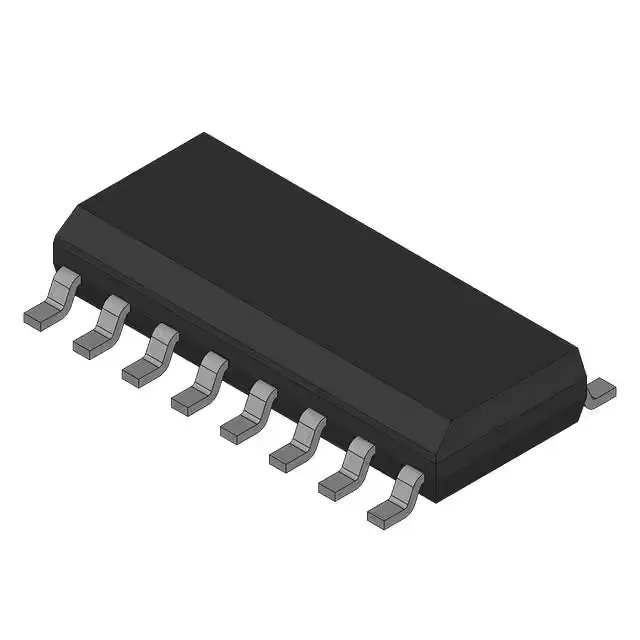
Texas Instruments LMC6464BIM-TI, CMOS quad operational amplifier, 50 kHz gain-bandwidth product, 0.028 V/µs slew rate, rail-to-rail output, 90 µA supply current, 14-SOIC package.

$3.97Ref. price · indicative, final on quote
Packaging14-SOIC (0.154", 3.90mm Width)
StockContact for availability
MOQ1 pcs
  • 100% new & originalTraceable channels only — no refurbs, no pulls, no remarked parts.
  • Date & lot codes on quoteStated per line before you commit; label photos on request.
  • MSL-compliant ESD packingMoisture-sealed bags with indicator cards; reels photo-verified.
  • PayPal buyer protectionPay by T/T, PayPal or Payoneer — card payments covered end to end.

Specifications

LMC6464BIM-TI Technical Specifications
ParameterValue
Output typeRail-to-Rail
Mounting typeSurface Mount
Amplifier typeCMOS
Voltage - input offset250 µV
Voltage - supply span15.5 V
Current - supply90µA (x4 Channels)
Current - input bias0.15 pA
Current - output (Channel)75 mA
Operating temperature-40°C ~ 85°C (TJ)
Gain bandwidth product50 kHz
PackageBulk
Slew rate0.028V/µs
Case14-SOIC (0.154\", 3.90mm Width)
Number of circuits4

Product details

50 kHz gain-bandwidth — this is a DC-precision part, not an audio amp

The LMC6464BIM-TI is a Texas Instruments quad CMOS operational amplifier with a 50 kHz gain-bandwidth product and a 0.028 V/µs slew rate. Those numbers tell you immediately: this is a part designed for DC and very-low-frequency signal conditioning — think thermocouple amplifiers, strain-gauge bridges, photodiode front-ends, and battery-monitoring circuits. It is not meant for audio or any application where you need to swing a signal faster than a few hundred hertz. The rail-to-rail output stage lets you use the full supply range without losing headroom, which matters when running from a 3 V rail. The 90 µA total supply current for all four amplifiers makes it a strong candidate for loop-powered or battery-operated instruments where every microamp counts.

Input bias current: 0.15 pA — why it matters for sensor interfaces

With an input bias current of 0.15 pA, this op-amp can interface directly with high-impedance sources like photodiodes, pH electrodes, or piezoelectric sensors without needing a separate buffer stage. The 250 µV input offset voltage is respectable for a CMOS part at this price point, though not as tight as a precision bipolar amplifier. For a bridge sensor with a few millivolts of output, that offset is manageable with a software calibration or a trim pot.

Package and footprint

The supplier device package is 14-SOIC. Surface-mount assembly with standard reflow profiles; no special handling beyond normal MSL precautions.

Lifecycle and sourcing

The RoHS status is non-compliant, which means it contains lead (likely in the solder-dip terminations).

Frequently asked questions

Can LMC6464BIM-TI operate at 3 V?

Yes, the minimum supply span is 3 V, so it runs on a single 3.3 V rail or two 1.5 V cells. The rail-to-rail output lets you swing close to the supply rails, maximizing dynamic range at low voltage.

What is the equivalent of LMC6464BIM?

A close functional peer is the OPA4374AIPWT from Texas Instruments — also a quad CMOS rail-to-rail op-amp in a similar package. The OPA4374 offers a much higher 6.5 MHz gain-bandwidth and 5 V/µs slew rate, but draws 600 µA per channel versus the LMC6464's 22.5 µA per channel. Choose the LMC6464 for ultra-low-power, low-frequency applications, and the OPA4374 when you need more speed and can budget the extra supply current.