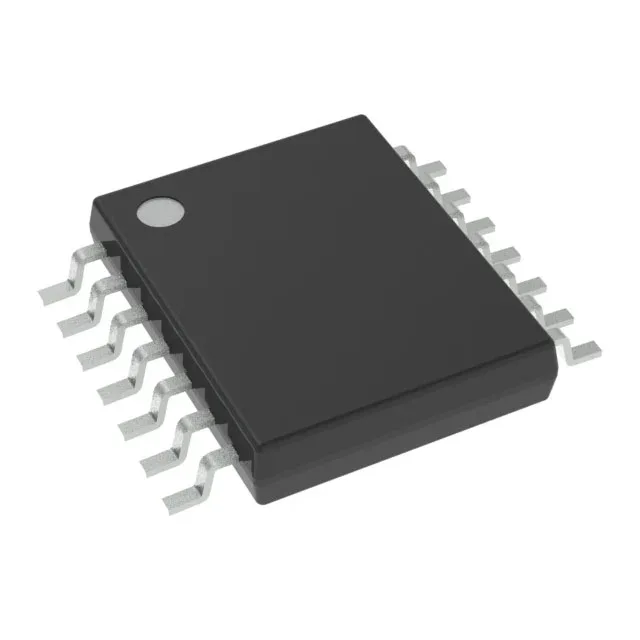
Quad CMOS op-amp for multi-channel signal conditioning
Supply current and power budgeting across four channels
In a battery-powered multichannel data logger or portable instrument, that current draw per amplifier is low enough to keep the power budget manageable without resorting to micropower op-amps that trade off bandwidth.
Input offset voltage and DC accuracy considerations
For precision DC applications like thermocouple amplification or bridge sensor readouts, that offset may require a calibration step or a downstream offset-nulling stage. The CMOS input stage's 0.02 pA bias current, however, means negligible voltage error from source impedance — a 10 MΩ source adds only 0.2 µV of offset error, which is orders of magnitude below the amplifier's own offset.
That makes it a fit for outdoor telecom enclosures, factory-floor sensor modules, automotive cabin electronics, and HVAC controllers.