7 MHz GBP in a quad pack — what it buys the board
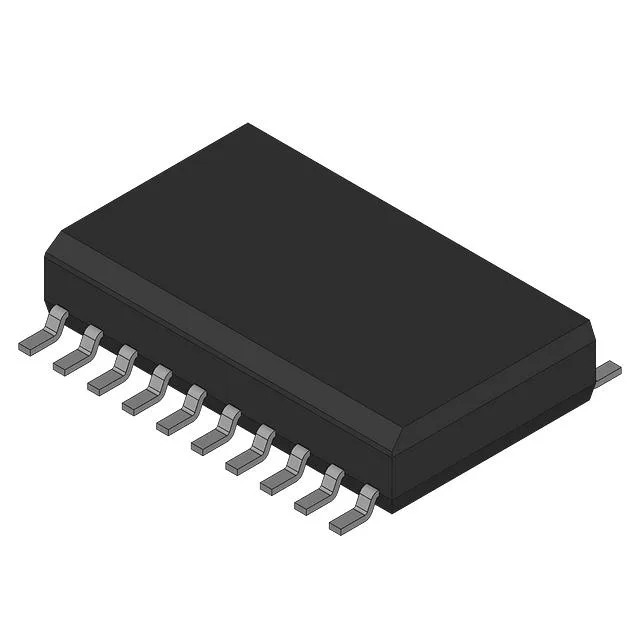
The LM604ACM is a quad general-purpose op-amp from Texas Instruments in a 20-SOIC package. Its 7 MHz gain-bandwidth product and 3 V/µs slew rate cover audio filtering, signal conditioning, and sensor buffering in designs that don't need rail-to-rail output swing. The four amplifiers share a common supply spanning 4 V to 32 V, so it runs from a single 5 V or 12 V rail or split supplies like ±15 V without a regulator change.
Supply current and output drive — sizing the rail
Each of the four channels draws 7 mA supply current total for the package, not per amplifier — that's 1.75 mA per channel typical. With 35 mA output current per channel, it drives modest loads like a 600 Ω audio line or a 10-bit ADC input directly. The 3 nA input bias current suits high-impedance sources like photodiode transimpedance stages, though the 1 mV input offset means you'll want a trim or a chopper-stabilized part for DC-critical paths.
Package and temperature — where it lives on the board
RoHS non-compliant per the listing, so verify your assembly line's solder alloy and your destination market's exemption rules before committing the BOM.
The RoHS non-compliant status is the main supply-chain watch point — if your contract manufacturer requires full RoHS, this part needs an exemption or a different material set.