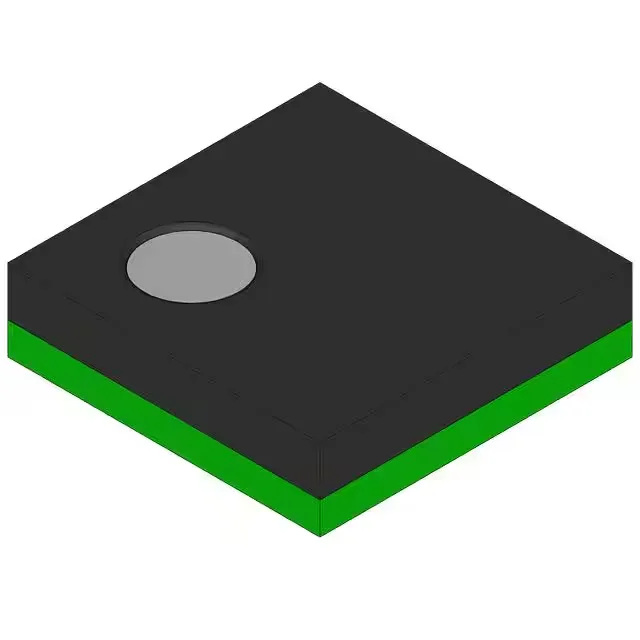
Texas Instruments LM49155TLX/NOPB — Memory (DRAM / SRAM / Flash / EEPROM)

LM49155TLX/NOPB TI Boomer® Class D/AB Audio Amp, 36-DSBGA

MPNLM49155TLX/NOPB
End of Life

Texas Instruments Boomer® series, LM49155TLX/NOPB, Class D, Class AB stereo headphone amplifier, 2-Channel output, I²C volume control, E²S noise suppression, 36-WFBGA DSBGA package, surface mount, active.

$3.86Ref. price · indicative, final on quote
Packaging36-WFBGA, DSBGA
StockContact for availability
MOQ1 pcs
  • 100% new & originalTraceable channels only — no refurbs, no pulls, no remarked parts.
  • Date & lot codes on quoteStated per line before you commit; label photos on request.
  • MSL-compliant ESD packingMoisture-sealed bags with indicator cards; reels photo-verified.
  • PayPal buyer protectionPay by T/T, PayPal or Payoneer — card payments covered end to end.

Specifications

LM49155TLX/NOPB Technical Specifications
ParameterValue
TypeClass D, Class AB
SeriesBoomer®
Output typeHeadphones, 2-Channel (Stereo)
Mounting typeSurface Mount
PackageBulk
FeaturesDepop, Differential Inputs, E²S, I²C, Shutdown, Volume Control
Case36-WFBGA, DSBGA

Product details

What this part is and where it fits

The Texas Instruments LM49155TLX/NOPB is a stereo headphone amplifier from the Boomer® series that can operate in either Class D or Class AB mode. It is designed for portable and mobile audio applications where uplink noise suppression (E²S) and I²C-controlled volume are needed — think smartphone earpiece drivers, tablet audio paths, or any handset where the microphone return path must reject transmit-side noise. The part comes in a 36-ball DSBGA package for a compact footprint on a multi-layer PCB.

Key features and what they mean for the BOM

The dual-mode output stage (Class D vs Class AB) lets the designer trade efficiency against external filtering. Class D gives higher efficiency for battery-powered gear; Class AB avoids the LC filter on the output and keeps the BOM count lower. The I²C control bus handles volume, mode switching, and shutdown — no extra GPIOs needed. The E²S (Enhanced Earbud Squelch) feature is the part's main differentiator: it suppresses uplink noise picked up by the headset microphone during a call, which is the kind of spec that matters when the audio path goes through a baseband processor that does not have its own noise gate. Depop circuitry reduces the click-and-pop on power-up and shutdown, and the differential inputs reject common-mode noise from the audio source. The shutdown pin (also I²C-accessible) lets the system power down the amplifier when the headset is unplugged, saving standby current.

Package and mounting

The 36-DSBGA package requires a solder-mask-defined pad layout and a stencil with small apertures. This is a fine-pitch BGA — not a hand-solder part.

Frequently asked questions

Does LM49155TLX/NOPB have I2C control?

Yes, the LM49155TLX/NOPB includes I²C control for volume, mode selection (Class D/AB), and shutdown.

What is the output type of LM49155TLX/NOPB?

The LM49155TLX/NOPB has a stereo 2-channel headphone output, configurable as Class D or Class AB.

Is LM49155TLX/NOPB compatible with 3.3V logic?

The part includes I²C control, which typically operates at 1.8 V or 3.3 V logic levels, but the exact logic supply voltage should be verified against the datasheet for this specific variant.