80 MHz Cortex-M3 with CAN and USB — a capable industrial MCU now at end-of-life
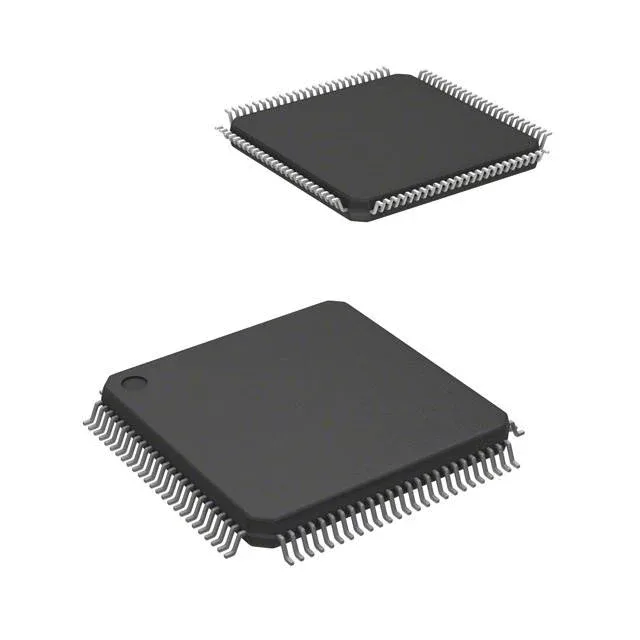
The Texas Instruments Stellaris LM3S5K31-IQC80-C1T is a 32-bit ARM Cortex-M3 single-core microcontroller running at 80 MHz, with 128 KB of Flash program memory and 24 KB of SRAM. It integrates a rich set of peripherals including a 16-channel 10-bit ADC, CANbus, USB, I²C, SPI, UART, and a quadrature encoder interface, making it suited for industrial control, motor-drive nodes, and gateway applications that need both real-time control and connectivity. The device operates from a 1.08 V to 1.32 V core supply and is rated over the –40°C to 85°C industrial temperature range, housed in a 100-pin LQFP package.
Lifecycle — officially obsolete; source through independent distribution
Texas Instruments has marked the LM3S5K31-IQC80-C1T as obsolete. No factory last-time-buy window remains open. Sourcing now goes through independent distribution and surplus channels. No official TI successor has been designated for this order code.
80 MHz core — enough for control loops and protocol stacks
The 80 MHz ARM Cortex-M3 core handles a motor-control FOC loop with headroom for a CANopen or Modbus RTU stack. The 24 KB SRAM is tight for large data buffers; designs that stream USB or log telemetry should budget RAM carefully. The 128 KB Flash holds a moderate-sized firmware image with room for a bootloader and field-update slot.
Connectivity set — CAN, USB, and multiple serial interfaces
The part includes CANbus, USB, I²C, SPI, UART, and a quadrature encoder interface. The 67 GPIOs leave room for parallel LCD interfaces or local switch/relay banks.