Automotive LED driver controller — fit and constraints
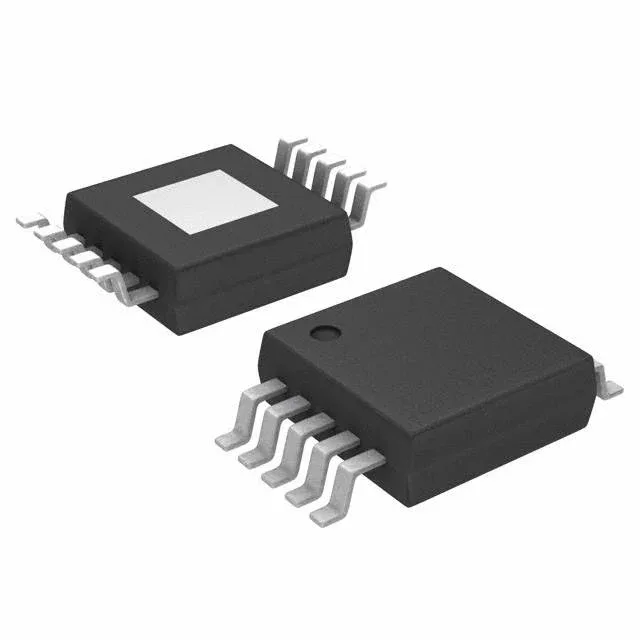
It operates as a step-down (buck) controller with a single output, requiring an external MOSFET switch — no internal switch is integrated. The part supports both analog and PWM dimming, making it adaptable to headlamp, daytime-running-light, and interior-lighting designs that need smooth brightness control. The 6V to 42V supply range covers automotive battery voltages with load-dump headroom. Packaged in a 10-HVSSOP (3.00mm width PowerTFSOP/MSOP footprint), it suits space-constrained LED driver modules on a surface-mount assembly line. The ROHS3 compliance simplifies EU and global regulatory acceptance.
The 6V to 42V input range is the primary fit gate. Designs fed from a regulated 12V rail have margin; systems expecting 24V truck or bus power also fit. The 42V maximum handles the typical 40V load-dump clamp in automotive front-end protection — but verify the external MOSFET's VDS rating against the same transient. No internal switch means the BOM must include an external N-channel MOSFET and its gate-drive components. This adds board area and cost but gives the designer flexibility to size the switch for the LED current and thermal budget of the specific application — a 2A string uses a different FET than a 10A string. PWM dimming support allows the controller to accept a PWM signal from an ECU or lighting module for brightness control without analog drift. Analog dimming is also available for simpler constant-current adjustment via a control voltage.