Switching frequency and loop compensation
The 50kHz to 1MHz range covers the sweet spot for most intermediate bus converters. Running at the low end cuts switching losses and lets you use a lossier core material; pushing toward 1 MHz shrinks the magnetics but demands tighter layout and faster gate drive. The part includes a clock sync input so you can lock multiple converters to the same frequency — useful when you have a sensitive analog rail and want to dodge beat-frequency ripple.
Control features for sequencing and soft start
Enable, frequency control, ramp, and soft start are all on the pinout. The soft start pin lets you set the inrush ramp with a single capacitor, which matters when the load is a big FPGA core or a bank of electrolytics. The ramp pin gives slope compensation for continuous-conduction-mode operation above 50% duty cycle — a detail that saves you a re-spin if you are pushing the input-output differential.
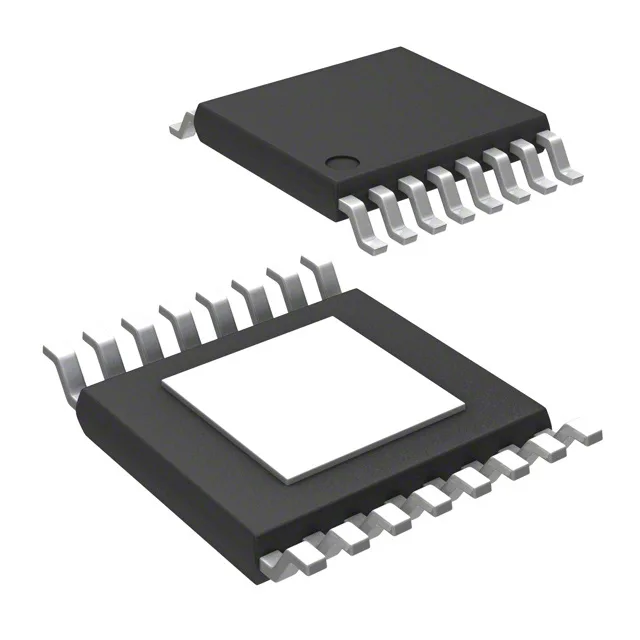
The PowerPAD is the main thermal path — without it the junction-to-board thermal resistance climbs fast. The supplier device package is 16-HTSSOP; the case code is 16-PowerTSSOP, 4.40 mm width. Tube shipment is the standard for prototype and low-volume builds; reel options exist through the supply chain.
For new designs this part is a safe selection; no successor has been announced.