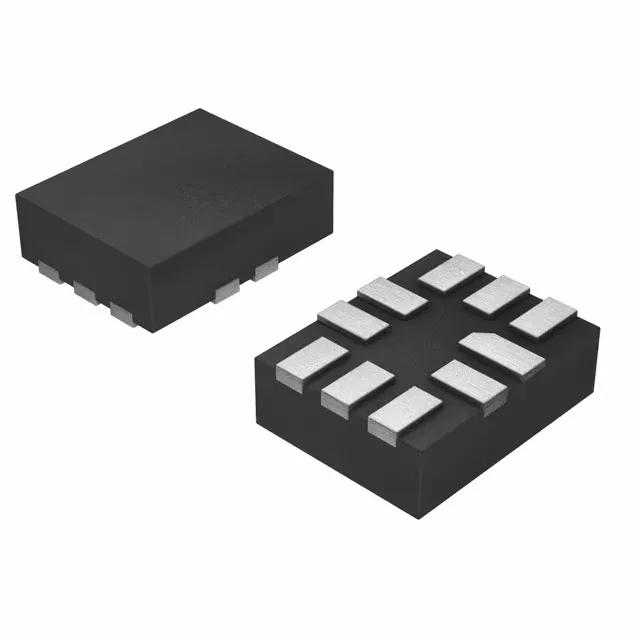
Zero-drift current sense amp — 2 µV offset, 40 µA quiescent
It translates a differential shunt voltage across a sense resistor into a ground-referenced, rail-to-rail output. The zero-drift architecture holds input offset voltage to 2 µV, which means the error from the amplifier itself stays below a few microvolts over temperature — no calibration trim needed in production. Supply current is 40 µA, making it viable for always-on current monitoring in battery-powered gear.
35 kHz bandwidth — what it resolves and what it doesn't
The -3 dB bandwidth is 35 kHz with a slew rate of 0.25 V/µs. That is enough to capture DC load changes and low-frequency ripple on a power rail — think motor start-up current profiles, battery discharge curves, or steady-state overcurrent detection. It will not resolve fast switching edges from a buck converter at 500 kHz or a short-circuit pulse under a few microseconds. If the application needs sub-microsecond fault detection, a comparator-based current-sense solution is the right call.
Temperature grade and package — industrial/automotive environment ready
The 10-UQFN package (1.8x1.4 mm body) is a fine-pitch, leadless package — expect a 0.5 mm or 0.4 mm pitch.
ROHS3 compliant, so no RoHS exemption expiry to track for EU or California markets. The zero-drift series is a current product line; second-source alternatives are limited (see FAQ).