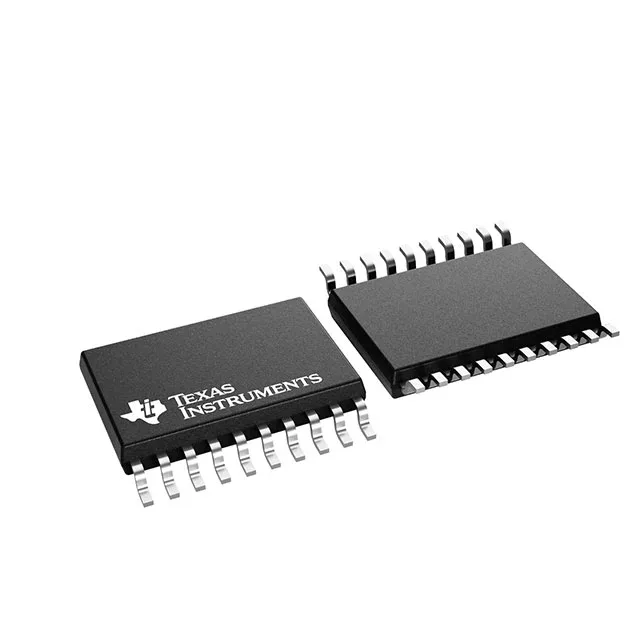
The Texas Instruments DRV8300UDPWR is a three-phase half-bridge gate driver designed for N-channel MOSFETs in automotive and industrial motor-drive applications. It integrates three independent drivers with inverting input logic, handling supply rails from 8.7 V to 20 V and a bootstrap high-side voltage up to 125 V — enough for 100 V bus systems without an external level shifter.
Supply voltage and bootstrap — sizing the bus
The 8.7 V to 20 V supply range means this driver works directly off a standard automotive battery rail (12 V nominal) or a regulated 24 V industrial supply, as long as the input stays below the 20 V maximum. The bootstrap high-side voltage is rated to 125 V, which supports a 100 V DC bus with margin. If your system runs a 48 V or 72 V motor bus, the bootstrap diode and capacitor selection should follow the datasheet app note — the driver itself handles the voltage.
Temperature range and what it tells you
For an under-hood BLDC pump or an engine-cooling fan controller, this driver stays within spec across cold crank and hot soak. No AEC-Q grade is explicitly named in the listing, but the automotive series designation and temperature range align with typical AEC-Q100 Grade 1 parts.
Peak current and switching speed — matching the FET
With 750 mA source and 1.5 A sink peak, this driver can charge a typical 10 nC gate in about 13 ns (source) and discharge it in about 7 ns (sink), based on the 24 ns/12 ns rise/fall times. That is fast enough for switching frequencies up to several hundred kilohertz with medium-power MOSFETs (Q_g ~ 20-50 nC). For larger FETs with 100 nC+ gate charge, the rise time will stretch — budget the switching loss accordingly. The inverting input logic means a logic-low turns on the high-side FET, so the PWM polarity from the controller must match.