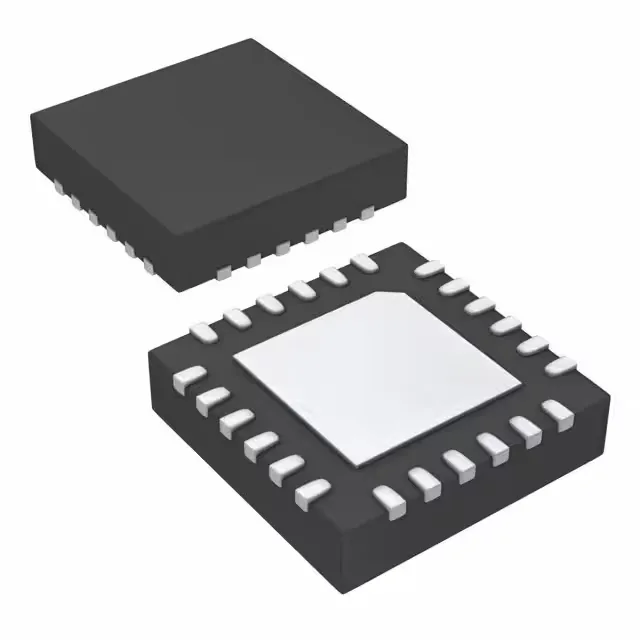
Maximum charge current is 2 A, and the battery regulation voltage is 4.2 V, which covers the standard single-cell Li-Ion termination voltage used in portable electronics, power tools, and IoT edge nodes. The part carries over-current, over-temperature, and over-voltage fault protection — a minimum requirement for any charger that will be sold as part of a finished product, since a runaway Li-Ion cell is a field-recall event.
NRND — plan a last-time buy or a pin-compatible migration
That means TI will continue to manufacture it for existing production, but they are not accepting new design wins. For an existing BOM that already uses this part, the NRND flag means you should evaluate a last-time-buy quantity to cover the remaining production run, or validate a drop-in alternate before TI issues the final EOL notice.
30-DSBGA — what the package means for your board
The 30-DSBGA (0.4 mm pitch, wafer-level chip-scale package) is the smallest footprint option for this charger, but it comes with trade-offs: the solder joints are under the die, so optical inspection requires an X-ray station, and rework needs a hot-air profile that matches the 30-ball array. The board must have a solder-mask-defined pad layout per TI's application note for DSBGA packages.