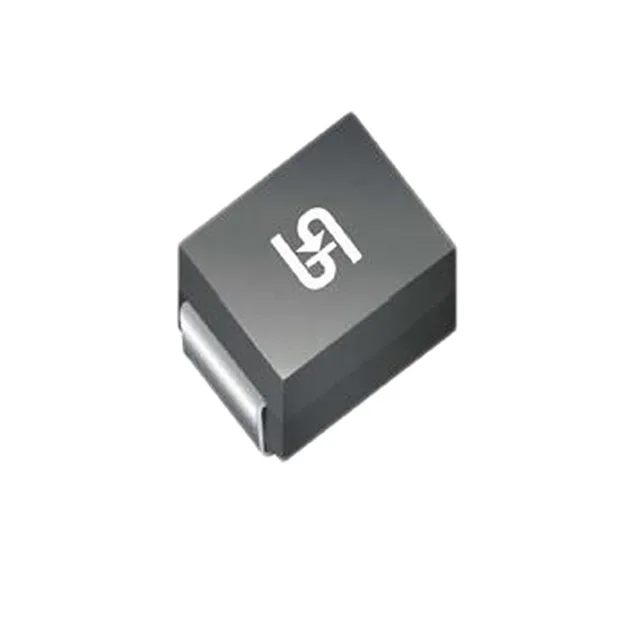
What the 1.5SMC91CAHR7G is and why it matters
The 1.5SMC91CAHR7G is an Automotive-grade bidirectional TVS (transient voltage suppressor), qualified to AEC-Q101. The CA suffix designates bidirectional polarity — it clamps both positive and negative transients, making it a solid fit for unprotected nodes on 12V and 24V automotive rails where the reversal of inductive kickback or a negative-going load-dump spike is a real threat.
The clamping stack — standoff, breakdown, and the peak pulse number
The reverse standoff voltage is 77.8 V typ: the TVS looks invisible to the line at normal operating voltage. When a transient pushes the node above 86.5 V minimum breakdown, the device avalanches and clamps. Working through the math: at 12.6 A the device dissipates roughly 1.6 kW for the duration of the event — that is what the 1.5 kW rating is sized to survive without destruction. For automotive load-dump protection the clamping voltage is the number that matters most — it must stay below the absolute-max rating of whatever IC sits behind it. At 125 V max clamping the 1.5SMC91CA is not protecting a 3.3 V rail; it is positioned for nodes that see higher working voltages or need the headroom of a 78 V standoff class.
Automotive temperature grade and thermal margin
Junction temperature is rated to 150 °C, which is the upper bound for most AEC-Q101 qualified TVS parts — it gives real margin against the thermal soak an under-hood ECU enclosure can produce without active cooling. The thermal resistance junction-to-lead and junction-to-ambient values in the datasheet determine whether the board-level pad and copper fill actually deliver on that 150 °C promise, so check the derating curve before locking in a thermal layout. AEC-Q101 qualification means the part has passed the temperature cycling, humidity bias, and surge stress screens defined in the automotive electronics council stress test qualification — the kind of screening that matters when the board lives under the bonnet rather than in a temperature-controlled rack.