Clamping performance on a 12 V automotive rail
The 1.5SMC9.1CAHM6G: At 7.78 V typical reverse standoff, the device sits off-state on a 12 V rail with margin — it does not conduct under normal operation. The 1.5 kW peak pulse rating sets the energy absorption ceiling for the surge event — a higher peak power rating means the clamping voltage stays lower under surge stress, reducing let-through voltage on the protected node.
What the temperature and qualification ratings mean
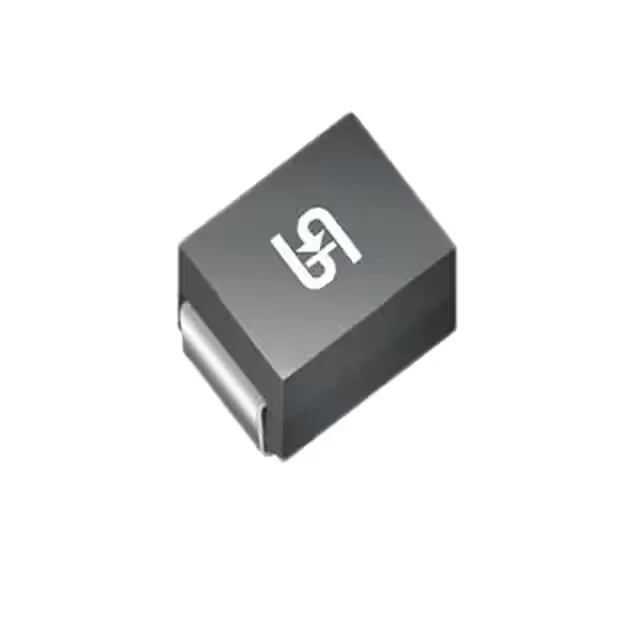
Junction temperature range is -55 to 150 deg C — the upper bound is the automotive under-hood band, not the cabin. A 105 deg C ambient still leaves 45 deg C of junction-rise margin at typical board thermal conditions, which is why this series is qualified for engine-compartment modules without derating gymnastics. It is not a commercial-grade part with a marketing label. Tape & Reel packaging on a surface-mount SMC body suits high-volume pick-and-place assembly — the DO-214AB foot print is the industry standard for TVS diodes on automotive control modules, which means the land pattern is solved before the schematic is closed.
Where the 1.5SMC series fits in automotive protection
Zener TVS diodes in this series protect sensitive electronics from transient overvoltage on power rails — automotive systems from ECU inputs to sensor supply rails commonly use this clamping architecture for load-dump and inductive spike immunity per ISO 7637-2. The 9.1 V nominal (from the base product number) puts the standoff below the 12 V nominal rail, leaving enough headroom for normal operation and enough clamping margin to absorb a defined surge class. Power Line Protection is listed as No — this device is not designed for direct line-to-line protection but for node-level clamping on individual rails, which is the typical deployment for a unidirectional TVS on a positive supply rail.