What the 1.5SMC68CAHR7G clamping ratings mean for the protection circuit
With a typical reverse standoff of 58.1V, the part sits below the 64.6V minimum breakdown — normal operation keeps the TVS invisible to the rail, drawing only leakage current until a transient arrives. The 1500W peak pulse power rating is referenced to the 10/1000µs waveform — this is the standard automotive surge test shape in ISO 7637-2. A faster 8/20µs event delivers the same peak current but in a shorter time, which concentrates energy into the package and derates the allowable peak current; confirm the surge waveform your protection standard actually specifies before committing the design.
AEC-Q101 qualification and the automotive temperature envelope
An ECU mounted in the engine bay, seeing 125°C ambient on a heat-soak day, still has headroom before the junction limit is reached. This is the qualification target for under-hood power-train and chassis electronics, not cabin or interior thermal zones. AEC-Q101 compliance means the part passed the automotive council stress test sequence — humidity, temperature cycling, high-temperature reverse bias, and surge life — with statistical sampling and data package requirements. This is not the same qualification as AEC-Q100 for ICs, but it is the relevant standard for discrete semiconductors in automotive safety and powertrain protection circuits.
DO-214AB SMC package — board-side integration notes
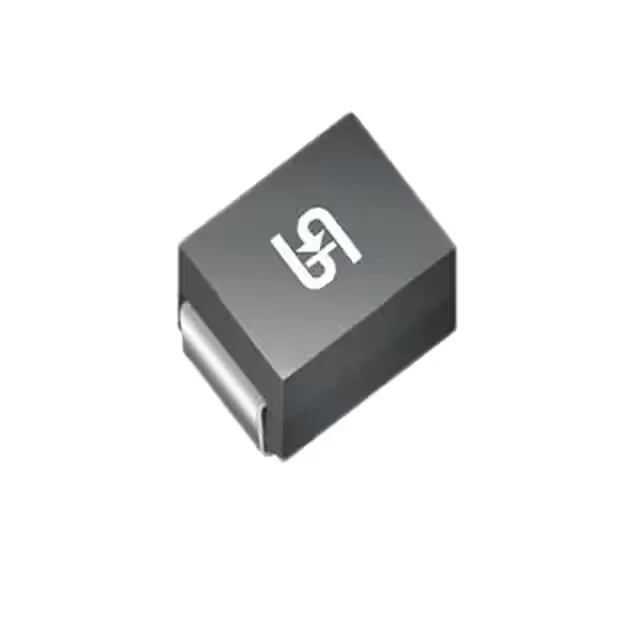
The DO-214AB (SMC) is a rectangular, multi-layer ceramic body with a metalized cathode tab — the cathode is the larger pad and connects to the protected rail; the anode lands on the smaller pad and ties to ground. The exposed bottom metallization provides the primary thermal path to the board; a solid copper pad under the device keeps thermal resistance low during the clamping event, when the transient pulse converts to heat inside the die. Supplied on tape and reel — the 1.5SMC series in this package ships in the standard 12 mm carrier width. Check the anode/cathode polarity orientation against your layout before reflow; the package orientation relative to the feed direction is specified in the individual reel labeling and varies by assembly house.