What the voltage chain means for downstream protection
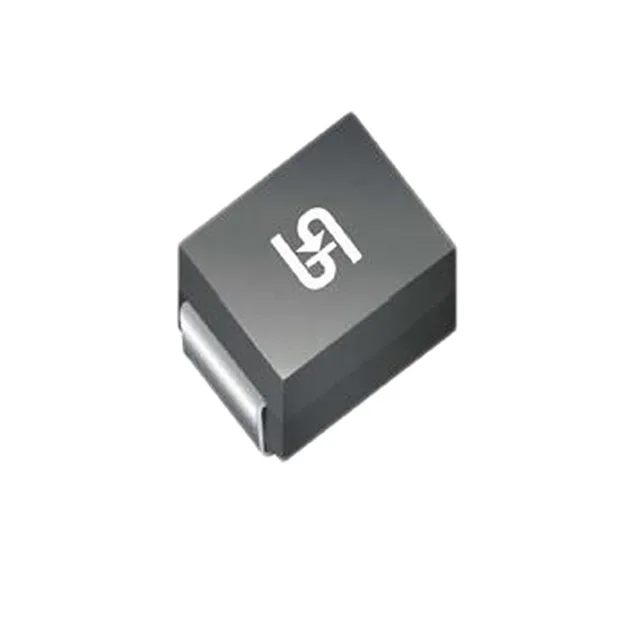
The 1.5SMC68A V7G: The 58.1V reverse standoff sits comfortably above a 48V telecom nominal rail — the working voltage the line sees in normal operation. This headroom prevents false triggering during ringing or line reflections that are intrinsic to long twisted-pair runs. The 64.6V minimum breakdown marks where the Zener junction begins conducting under surge, and the 92V clamping ceiling at 17A peak pulse is what the protected IC must survive during the event. Read together, the chain tells you the downstream circuit sees no more than 92V during a 10/1000µs surge — the wave shape defined in IEC 61000-4-5 for telecom port protection. This is a common telecom lightning-surge test level; a part rated below this would require a bulkier MOV or gas tube instead. The SMC package thermal resistance sets the single-pulse dissipation limit — consecutive pulses without adequate cool-down time push the junction toward the 150°C maximum.
Telecom deployment and thermal margin
Telecom outdoor equipment — DSLAMs, optical network units, base-station rectifiers — routinely sees extended temperature exposure in sealed enclosures. For a BOM team, this means the telecom line card can carry multiple TVS standoffs on the same reel specification with a single pick-and-place profile, simplifying the line setup compared to mixing packages.
Active lifecycle — available for new designs
This is a production part, not a managed-last-time-buy — the line is open for new designs and BOM continuity without a migration project.