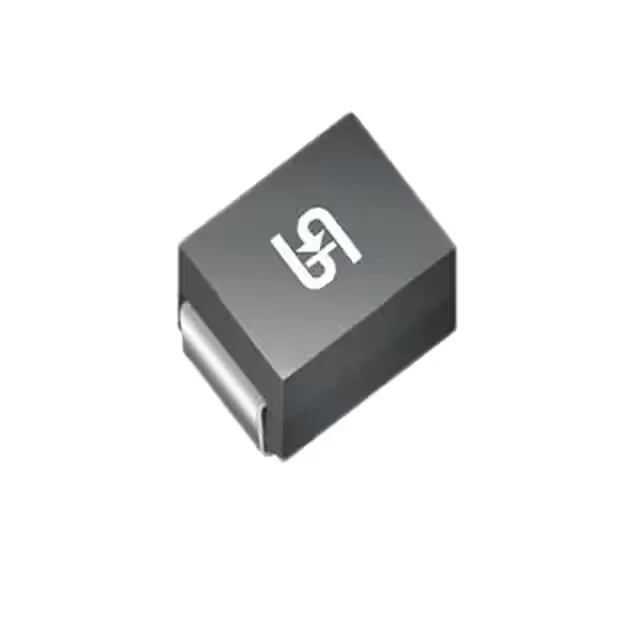
1500W peak pulse — what that means in practice
The 1.5SMC62CAHR7G: In practice, a 1500W part in this series gives you headroom for automotive load-dump events without moving to a larger case size or a module-level suppresser.
The clamping chain: 53V standoff into 85V protection ceiling
The reverse standoff voltage is 53V typical — below that, the TVS is off and leaks only nanamps. The device breaks down at a minimum of 58.9V, entering conduction as the overvoltage arrives. The clamping voltage at peak pulse current is 85V maximum — that is the let-through voltage the downstream circuit sees once the TVS clamps. Selecting a downstream component with an abs-max rating above 85V (with appropriate derating) is the design constraint the clamping spec drives.
AEC-Q101 qualification and the -55 to 150°C window
AEC-Q101 is the automotive discrete-semiconductor qualification — it means the part has passed temperature cycling, humidity bias, surge life, and mechanical stress screening at the wafer and package level. For a TVS, the 150°C maximum junction temperature is the operative limit: in a high-ambient under-hood environment, the thermal resistance from junction to ambient determines how much surge duty the device handles before the Tj ceiling becomes the limiting factor. The -55°C low end covers cold-start and cold-climate deployment.
The lifecycle record lists this part as Active with no official NRND or EOL notice on file.