Clamping performance — what 85V means for the protected rail
The 1.5SMC62AHM6G: The 85V clamping maximum at 18A peak pulse (10/1000µs) is the number that governs rail protection — this is what the downstream circuitry actually sees when a transient fires. The clamping voltage sets the upper stress boundary for every component on that net. Breakdown minimum is 58.9V — the TVS stays reverse-biased below this, which means at 53V standoff the part is well below its conduction threshold. The gap between standoff (53V) and breakdown (58.9V) is the design margin — the headroom the system rail operates in before the suppressor starts clamping.
Automotive qualification and thermal envelope
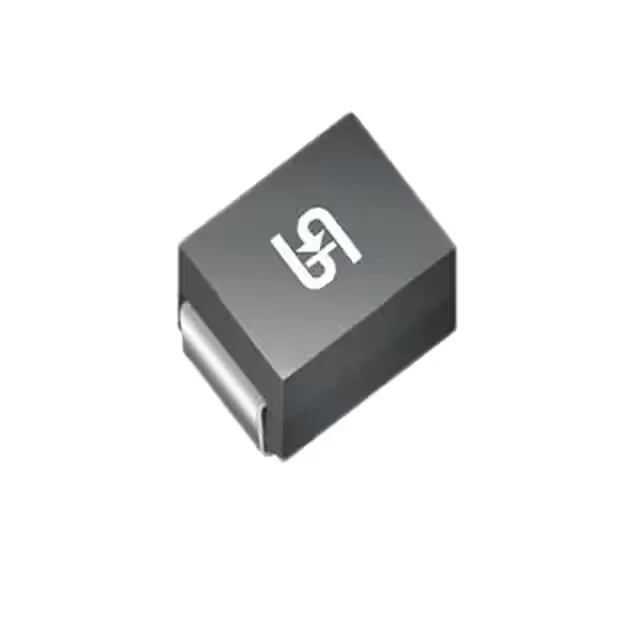
AEC-Q101 qualification means this part passed the automotive stress suite — humidity, temperature cycling, and surge testing at the component level. For a TVS protecting an ECU input rail, that qualification is the gate a lot of automotive programs require before the part makes the BOM. Junction temperature, not ambient, is the thermal limit — the PCB pad and copper heat dissipation matter for the actual margin. Single unidirectional channel, surface-mount DO-214AB (SMC) — the standard automotive TVS footprint, compatible with reflow assembly and compatible with the land pattern of every other 1.5SMC series diode in this package.
Active production — sourcing and availability
This part is listed Active in Taiwan Semiconductor's published lifecycle record. For new automotive designs, the part is a viable qualification candidate; for legacy boards already in production, no cross-reference migration is documented. Quoted to order through independent distribution against the BOM quantity. Availability and current lead time confirmed at RFQ — the part ships Tape & Reel per the standard package listing.