What the standoff and clamping ratings mean for telecom line protection
The 1.5SMC56CA V7G: The 47.8V reverse standoff (typ) is the working voltage the protected rail can sit at continuously without the TVS conducting — the line operates below this threshold during normal signalling. That 77V clamping ceiling is the stress the downstream circuit sees even during a genuine surge event; sizing the TVS means confirming the clamping voltage stays below the absolute-maximum input rating of whatever transceiver or DSP sits behind it. Telecom front-end protection typically faces 500V-1kV test surges per IEC 61000-4-5; the 1.5kW rating at the standard 10/1000µs test wave places this device in the medium-energy class, suited for line-card inputs and DSL edge protection rather than full-ac-line entry.
Wide junction temperature range for outdoor and high-density rack deployment
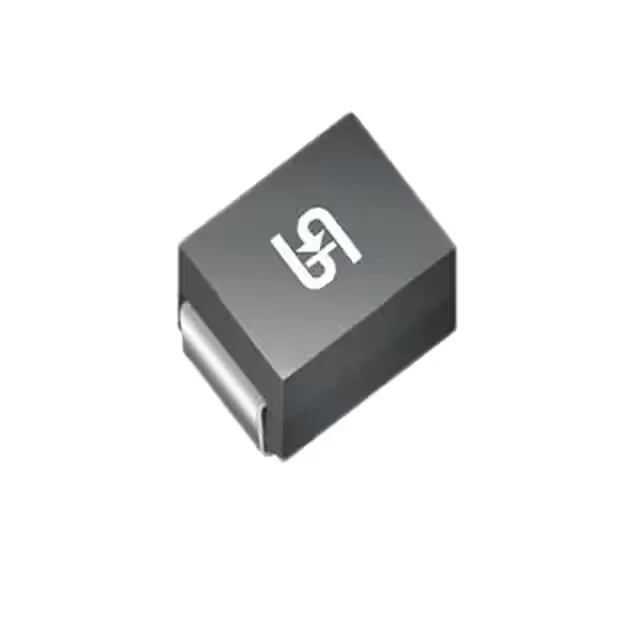
The DO-214AB SMC package is the industry-standard surface-mount outline for TVS diodes — the cathode bar is the larger die-attached pad, and the recommended land pattern uses a thermal pad under the cathode to conduct heat into the board copper.
The base product number 1.5SMC56 anchors the 56V standoff grade within the 1.5SMC series — other voltage grades within the same package are pin-compatible and share the same tape-and-reel packaging, so the sourcing base is broad.