What the 1500W rating means on a real board
The 1.5SMC24CA M6G: That 47A peak pulse current at 33.2V clamping tells you the device can absorb a substantial surge — think a 24V DC supply rail hit by an inductive load dump or a lightning-coupled transient on a field cable — without the clamp voltage exceeding what the downstream ICs can survive.
Voltage thresholds and the protection window
The reverse standoff voltage is 20.5V — this is the DC rail voltage the TVS leaves alone during normal operation. Breakdown starts at 22.8V minimum, so a 24V nominal rail with 10% tolerance (26.4V max) sits above the standoff but below breakdown; the device stays off until a real transient pushes past 22.8V. Clamping maxes at 33.2V, which is the ceiling the protected circuit sees. For a 24V bus powering 30V-rated input stages, that clamp gives margin.
Bidirectional channel — why it matters for AC and floating lines
A single bidirectional channel means the TVS clamps equally on positive and negative transients. That suits AC signal lines (RS-485, audio, sensor outputs) where the polarity reverses each cycle, or DC rails where the power supply could be reverse-wired during field installation. No need to series two unidirectional devices back-to-back — one DO-214AB part covers both polarities.
Temperature range and package reality
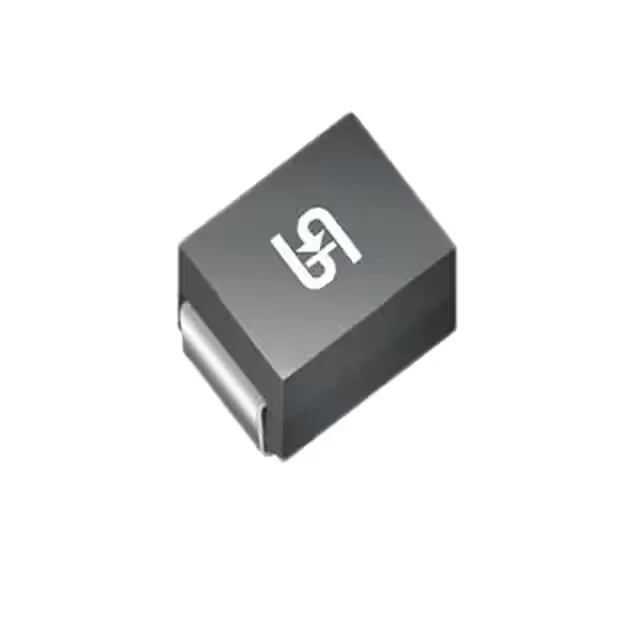
The DO-214AB (SMC) package is the standard surface-mount footprint for 1.5kW TVS diodes — the same pad layout used by Littelfuse, Vishay, and STMicro equivalents, so a board designed for one brand's SMC package accepts this part without a respin.