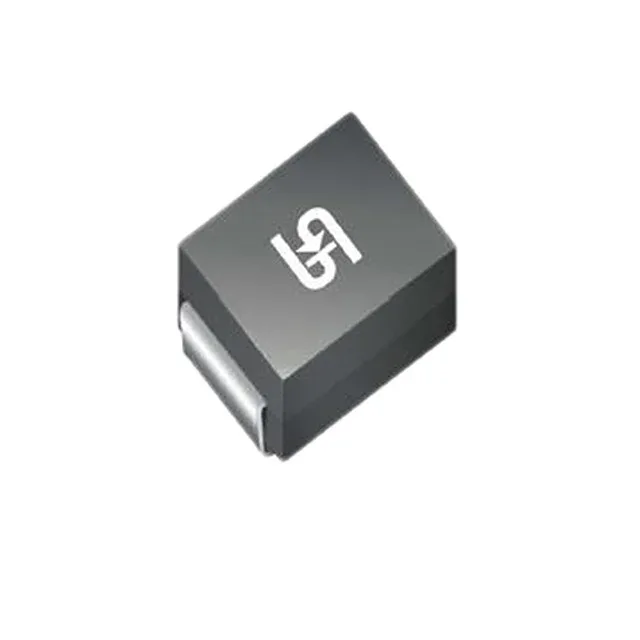
Taiwan Semiconductor Corporation 1.5SMC20CA V7G — Circuit Protection

1.5SMC20CA V7G TVS Diode, 1500W, 27.7V Clamp, DO-214AB

MPN1.5SMC20CA V7G
Active

Taiwan Semiconductor 1.5SMC series bidirectional Zener TVS diode, 1.5SMC20CA V7G, 1500W peak pulse power, 27.7V clamping, 17.1V standoff, DO-214AB SMC package, Tape & Reel.

$0.2184Ref. price · indicative, final on quote
Independent supplier — new & surplus stockAuthenticity-screened · ESD-safe packingListing updated Aug 2026

Specifications

1.5SMC20CA V7G specifications
ParameterValue
TypeZener
Series1.5SMC
MountingSurface Mount
Voltage - breakdown19V
Voltage - clamping (Max) @ ipp27.7V
Voltage - reverse standoff17.1V
Current - peak pulse (10/1000μs)56A
Power - peak pulse1500W (1.5kW)
Power line protectionNo
Operating temperature-55°C ~ 150°C (TJ)
PackageTape & Reel (TR)
ApplicationsTelecom
CaseDO-214AB, SMC
Bidirectional channels1

Product details

Surge protection for a 17.1V rail

The 1.5SMC20CA V7G: It clamps transients at 27.7V maximum and has a 17.1V reverse standoff voltage, meaning it sits across a 17.1V DC rail without conducting until a surge pushes the line above the breakdown threshold. The 56A peak pulse current rating tells you the surge current the part can handle before the junction temperature exceeds the 150°C limit. For a given surge, the actual clamping voltage is the sum of the breakdown voltage plus the dynamic resistance times the surge current — the 27.7V max at Ipp is the worst-case ceiling.

The copper pad area under the package sets the thermal resistance — a larger cathode tab pad pulls heat into the board plane and keeps the junction temperature rise within limits during repetitive surges.

Active lifecycle and sourcing

The Tape & Reel packaging (standard for the series) supports automated pick-and-place assembly.

Frequently asked questions

What is the peak pulse current rating for 1.5SMC20CA V7G?

It is rated for 56A peak pulse current under the 10/1000µs waveform. This is the current the device can sink during a transient event before the junction temperature exceeds the safe operating area.