The 1.5KE6.8CA B0G: The minimum breakdown voltage is 6.45V, which sets the threshold where the device starts conducting significant current — below this, the TVS is effectively an open circuit, so the protected rail must stay under 5.8V (standoff) during normal operation to avoid leakage. At the 150A peak pulse current, the voltage is clamped to 10.5V maximum — this is the worst-case voltage the downstream circuitry sees during a surge, and it must be within the absolute-maximum ratings of the ICs or modules on that rail.
Package and board integration — DO-201 axial leaded
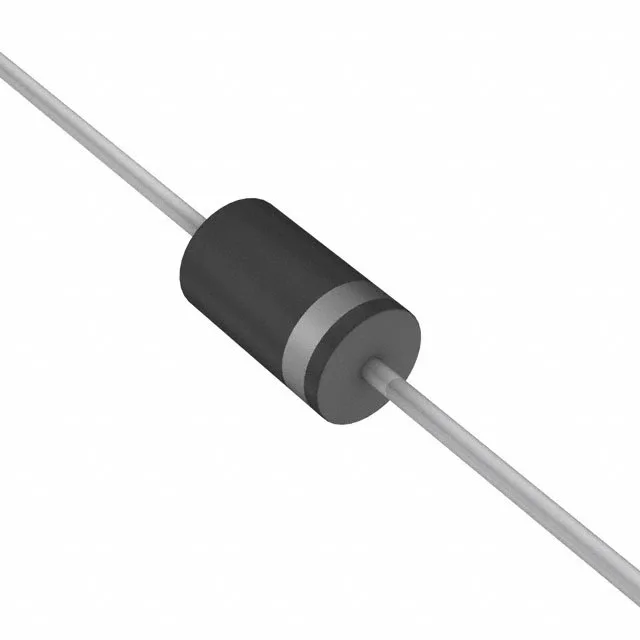
Housed in a DO-201AA (DO-27) axial-leaded package with a supplier device package designation of DO-201, this TVS mounts through-hole on a PCB or can be wired point-to-point in a harness — the axial leads suit both board-level and terminal-block integration. The bulk packaging means parts are shipped loose in tubes or bags, not taped-and-reeled — factor this into your pick-and-place setup if you are using automated insertion; through-hole axial parts often require manual or semi-automated assembly.
Sourcing and lifecycle — active production, no end-of-life notice
Because it is a general-purpose bidirectional TVS in a standard DO-201 package, multiple manufacturers offer electrically equivalent parts — the 1.5KE6.8CA footprint and ratings are a JEDEC-registered baseline, so second-sourcing is straightforward for BOM risk management.