What the ratings mean for the BOM line
The 1.5KE120CA A0G: The reverse standoff voltage is 102V, so this part sits across a nominal 100V DC rail or a 120V AC line (rectified) and stays transparent until the transient exceeds that threshold. Breakdown starts at a minimum of 114V, giving a 12V window between normal operation and conduction — wide enough to avoid nuisance triggering from ripple or switching noise on a regulated bus.
Bidirectional and temperature range
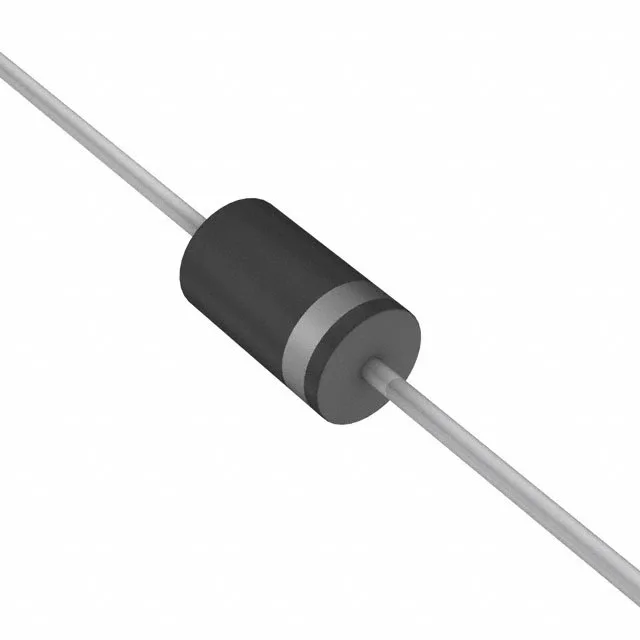
A single bidirectional channel means one device clamps both polarities — useful on AC signal lines or DC buses where reverse-voltage transients are possible. The operating junction temperature range spans -55°C to 175°C, which covers industrial and some automotive under-hood environments without derating the peak pulse power at the high end. The DO-201AA (DO-27) axial-lead package is a standard through-hole form factor for high-energy TVS diodes. It mates with existing PCB layouts for the 1.5KE family — the lead diameter and body length match the common footprint, so a BOM swap from another 1.5KE bidirectional part at the same voltage grade should be a drop-in if the lead form (straight vs formed) matches the board hole pattern.